
How and When to Overseed Your Lawn in Massachusetts: A Guide for Plymouth County Homeowners

Plymouth County and the South Shore present a unique challenge when you’re trying to improve your lawn. You might seed at what feels like the right time, use quality materials, and still end up with patchy results. That usually leads to frustration, wasted effort, and a lawn that never quite fills in the way you expected.
The issue often isn’t how you’re seeding. It’s when to plant grass seed in Massachusetts and how that timing connects to your soil, weather patterns, and preparation. Miss the timing window by even a short margin, and your results drop quickly.
Once you understand when to plant grass seed in Massachusetts and follow a structured process, your lawn responds very differently. Keep reading, and you’ll see how to approach overseeding step by step for better consistency on South Shore properties.
If you want a broader view of how everything fits together, explore our guide “The Plymouth County Lawn Care and Landscape Maintenance Guide: Everything Your Property Needs”.
Why Overseeding Timing Matters More Than Most Plymouth County Homeowners Realise
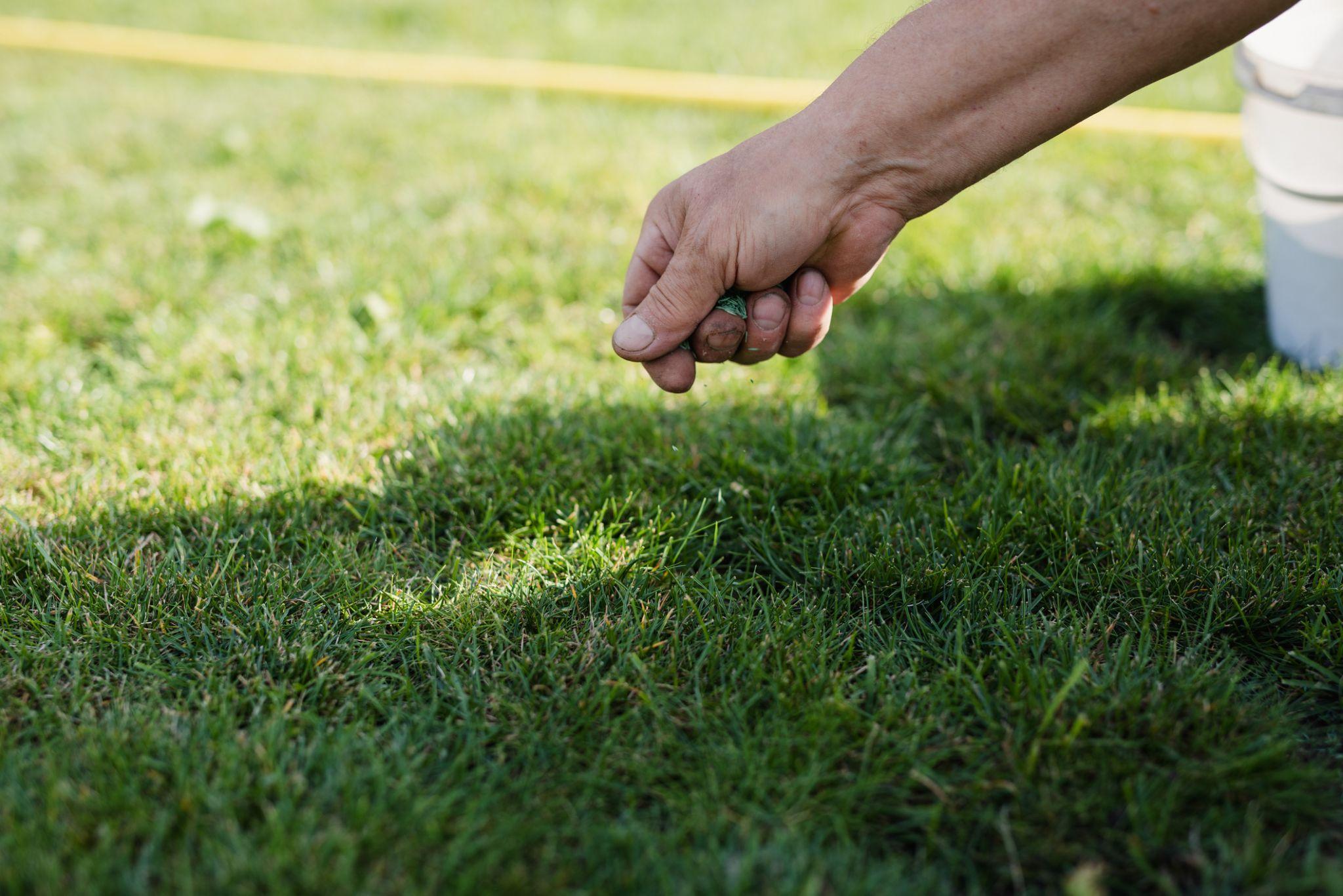
Most overseeding failures on Plymouth County lawns come down to timing, not technique. You can follow every step correctly, but if seed goes down too early in spring, too late in fall, or onto unprepared soil, the result is thin or inconsistent growth regardless of seed quality.
Sandy soils across the South Shore add another layer of difficulty. They lose moisture faster than clay, so seed that germinates into dry conditions or sits on a surface that dries out between waterings struggles to establish. Once that window is missed, you’re often waiting until the following September to try again.
The Massachusetts growing season is also more limited than many homeowners expect. The window for when to plant grass seed in Massachusetts is specific and short. A delay of even one week on either side of the early fall period can noticeably reduce germination success. Understanding that timing is the foundation for everything that follows.
Step 1 — Assess Your Lawn Before You Seed

Before you focus on when to plant grass seed, you need to understand your lawn’s current condition, which could help you determine things like the best grass seed for overseeding your Massachussetts lawn. Walk your property and identify where the grass is thin, bare, or struggling. Look for common issues:
- Compacted soil from summer activity
- Thatch buildup over half an inch
- Drainage problems causing dry or saturated patches
- Shaded areas where current grass types don’t perform well
If you overseed without addressing these causes, results will be temporary. That’s one reason many attempts at lawn overseeding South Shore properties fail. A soil test is a valuable step here. It helps confirm if pH or nutrient levels are limiting growth. If compaction is present, plan to aerate before seeding. You can learn more in our guide “When to Aerate Your Lawn in Massachusetts: A Guide for Plymouth County Homeowners”. Aeration often makes the difference between average and strong establishment.
Step 2 — Choose the Right Grass Seed for Plymouth County

Choosing the right seed is just as important as knowing when to overseed lawns in Massachusetts. Plymouth County falls into a cool-season grass region, so your options should reflect that. The most suitable grass types include:
- Kentucky bluegrass: helps fill in over time through self-repair
- Perennial ryegrass: germinates quickly and provides early coverage
- Fine fescues: handle shade and drought conditions well
Match your seed mix to the light conditions in your yard. A full-sun blend won’t perform under tree cover, no matter how well you time the seeding. After seeding, a starter fertiliser is typically applied to support growth. For more details, visit Landscapes by D&J’s lawn care and maintenance service to see how a structured approach supports this step.
Step 3 — Time Your Overseeding Correctly
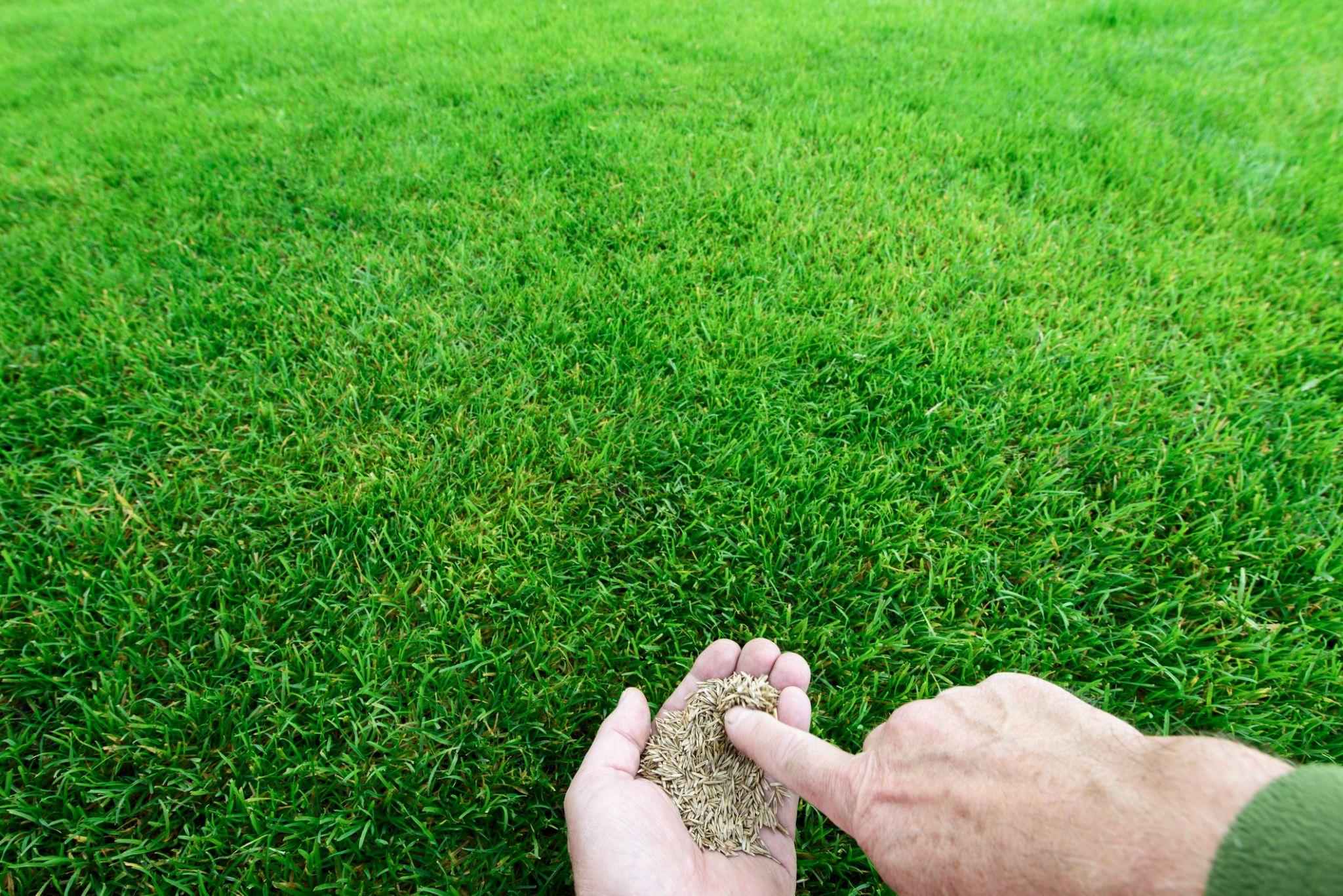
The critical rule for Plymouth County is simple: the fall window is the right window. The best time to plant grass seed in Massachusetts is early September through mid-October, when conditions across the South Shore are most favorable for consistent germination and establishment.
This timing works because soil temperatures remain warm from summer, often staying above 55°F through much of September. At the same time, air temperatures begin to cool, which reduces stress on new seedlings. Weed competition is also at its lowest point of the year, giving new grass a better chance to establish without pressure.
Spring overseeding is still an option, usually in April or May, if you have bare areas that cannot wait. However, the window between the last frost and the start of summer heat is short in Plymouth County. Grass seeded in spring has less time to develop before July conditions arrive, which limits long-term success.
Avoid overseeding in July or August. High heat and dry soil conditions reduce germination and can waste your effort. Late-season seeding into frozen or frost-covered ground should also be avoided, as the seed will not establish before winter. For a month-by-month breakdown of what your lawn needs, take a look at “Your Massachusetts Lawn Care Calendar: The Right Tasks, Month by Month”.
Step 4 — Prepare the Lawn Surface
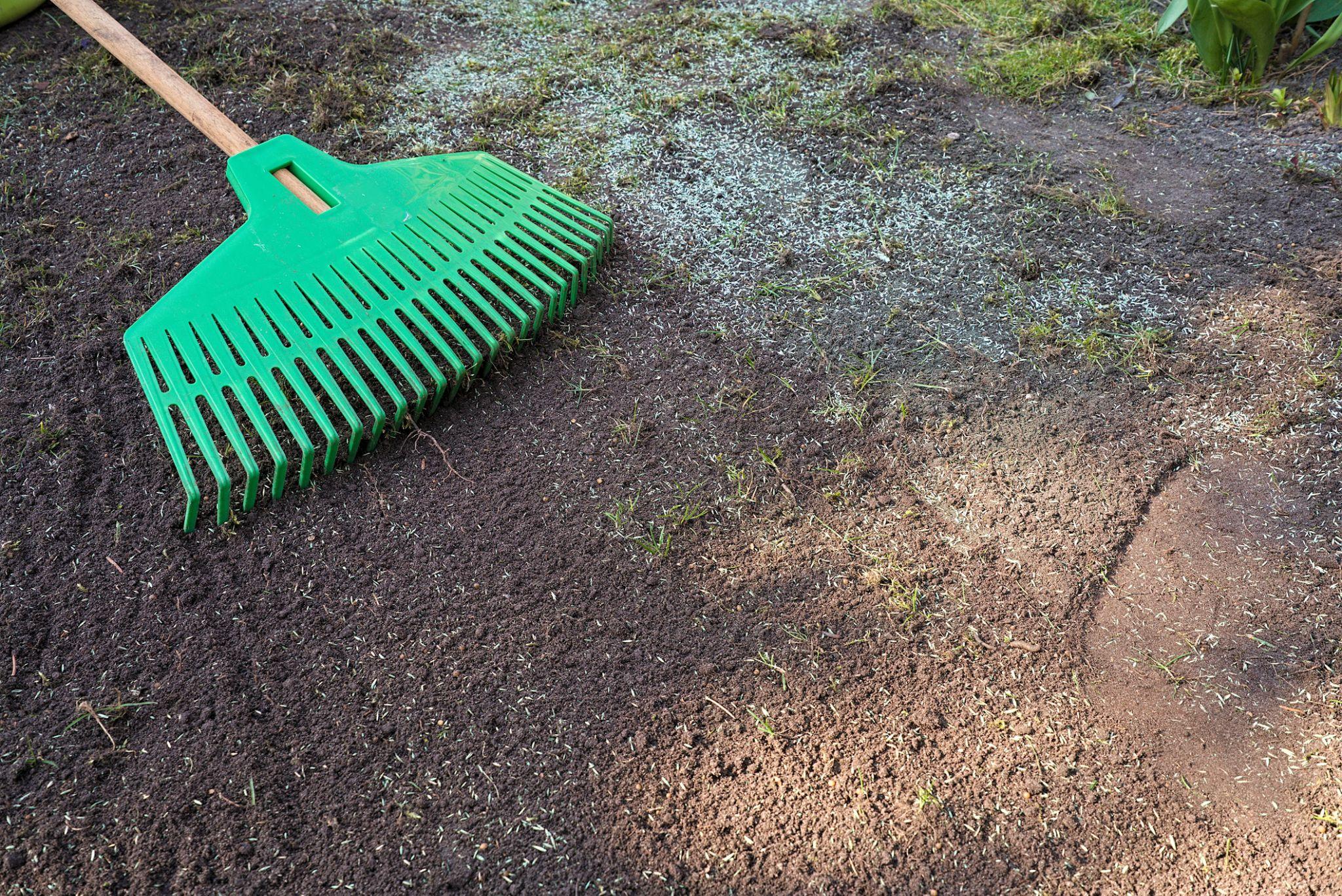
Preparation directly affects how well your seed takes hold. Even if you know when to seed lawn in Massachusetts, poor preparation can limit results. Start by mowing your lawn shorter than usual, around 2–2.5 inches. This allows sunlight to reach the soil and reduces competition.
Next, check for thatch. If it exceeds half an inch, remove it lightly. Thatch prevents seeds from contacting the soil, which is essential for germination. Aeration is one of the most effective steps you can take. It creates openings in the soil that allow the seed to settle in properly. Overseed immediately after aeration for best results.
Leave the plugs on the lawn. They break down naturally and help improve soil structure over time. For a deeper look at why aeration plays such a key role in preparation, see “When to Aerate Your Lawn in Massachusetts: A Guide for Plymouth County Homeowners”.
Step 5 — Apply the Seed Correctly
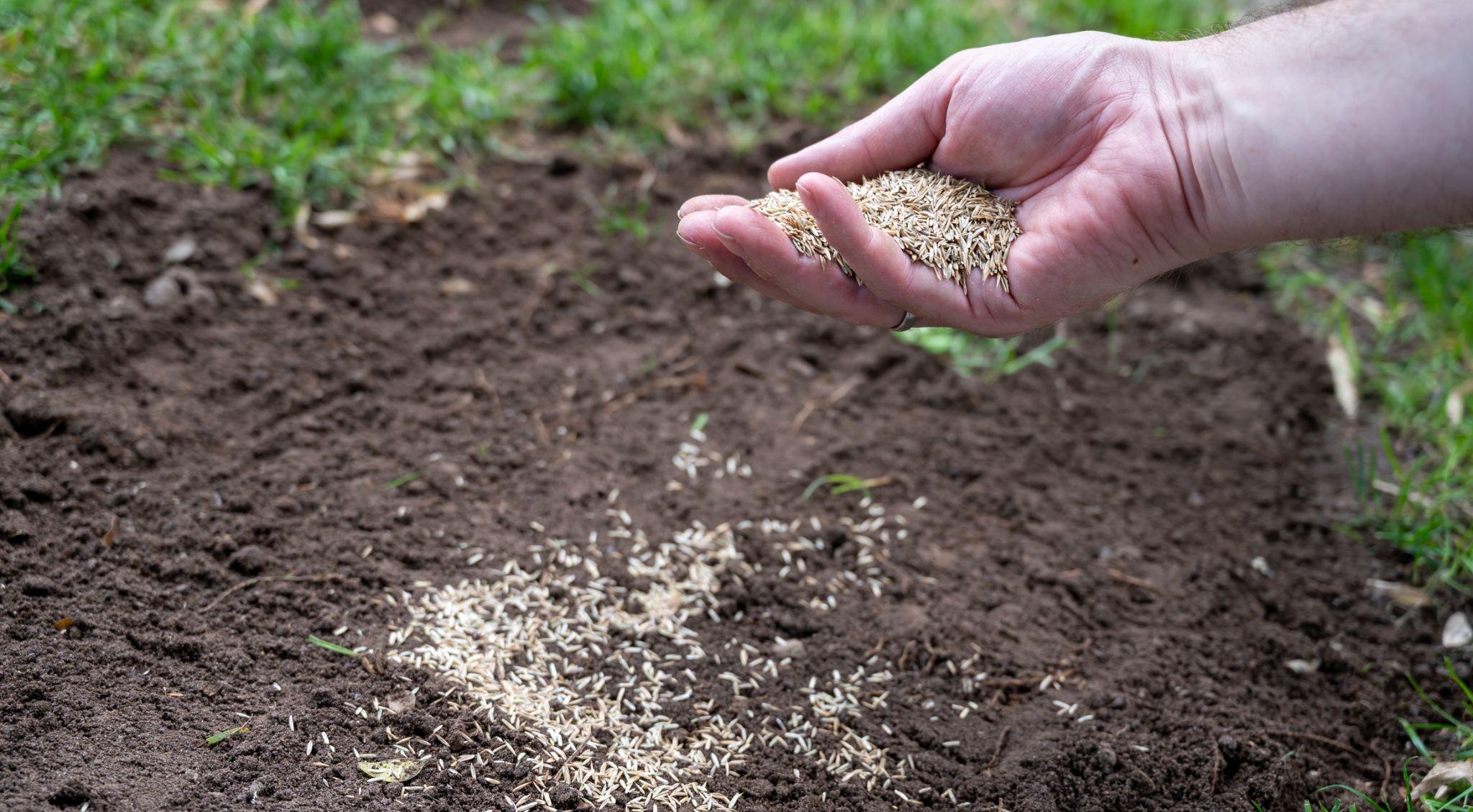
Once you’ve handled when to plant grass seed in Massachusetts and prepared your lawn, application matters. Use a spreader for even coverage. Uneven application leads to patchy growth. Overlap slightly with each pass to avoid gaps. Adjust your approach based on lawn condition:
- Thin areas: apply more seed within the overseeding range
- Bare areas: treat as new seeding zones
After spreading, lightly rake the area to improve seed-to-soil contact. This step increases germination success significantly. Apply a starter fertiliser right after seeding. This supports early growth, especially when combined with aeration.
Avoid using pre-emergent products during this time. They prevent seeds from germinating. D&J’s fall lawn care program includes overseeding, core aeration, and starter application timed precisely to Plymouth County’s September window. Ask the team what a program for your property looks like.
Step 6 — Manage Establishment in the First Four Weeks

After seeding, your focus shifts to care. This stage determines whether your effort pays off. Watering is the most important factor. New seed needs consistent surface moisture. That usually means:
- Light watering two to three times per day
- Short sessions instead of deep watering
Sandy soil dries out quickly in Plymouth County. Monitor moisture levels closely, especially during warm fall days. Hold off on mowing until new grass reaches about 3.5 to 4 inches. Cutting too early can damage young roots. Limit foot traffic for at least four to six weeks. Even light activity can disturb new seedlings before they establish.
Step 7 — Know When to Call a Professional

Sometimes, even when you follow when to plant grass seed Massachusetts guidelines, results still fall short. Watch for these signs:
- Uneven germination
- Recurring bare spots
- Weak growth despite proper watering
These issues often point to deeper problems like compaction or drainage. A coordinated approach combining aeration, overseeding, and follow-up care, tends to produce better results than separate DIY efforts. Working with a team that takes a consultative approach means you get a plan based on your property’s specific needs. Landscapes by D&J focuses on consistency, with well-maintained equipment and a structured process that helps reduce missed steps. Learn more about Landscape by D&J’s lawn care and maintenance service for professional care of your lawn.
Frequently Asked Questions About Overseeding in Massachusetts
Q. How many times should you overseed each year?
Most lawns benefit from overseeding once annually, typically in fall.
Q. Can you overseed in spring?
Yes, but it’s less effective because the heat arrives sooner.
Q. What happens if you seed too late?
The seed may not establish before winter and can fail.
Q. Is overseeding without aeration effective?
It can help, but aeration improves results significantly on South Shore lawns.
Bringing It All Together for Your Lawn

Getting clear on when to plant grass seed in Massachusetts is the starting point, but lasting results come from how well you follow through on every step. When you match the right timing with proper preparation, thoughtful seed selection, and consistent aftercare, your lawn has the conditions it needs to establish evenly and hold up season after season.
At Landscapes by D&J, you’re not left guessing what your property needs. You get a consultative approach that looks at your lawn’s specific conditions, along with a structured plan that keeps everything on track. With well-maintained equipment and a team that takes pride in the details, your overseeding is done with consistency and care from start to finish.
If you’re ready to stop repeating the same results year after year and want a clear, reliable plan for your lawn, you can take the next step and request a quote.
Summary
If you’ve been wondering when to plant grass seed in Massachusetts, the answer is early fall, specifically September through mid-October. This timing gives your lawn the best chance to establish before winter. By assessing your lawn, preparing the soil, applying seed correctly, and managing early growth, you set up stronger, more consistent results across your property.
Tags: