
Your Massachusetts Lawn Care Calendar: The Right Tasks, Month by Month

Plymouth County and other South Shore homeowners know that keeping a healthy lawn here is not always straightforward. One week it feels like spring has arrived early, and the next brings another cold snap. That unpredictability can make any lawn care calendar Massachusetts guide feel unreliable. You might follow general advice, only to see uneven growth, weeds, or stress show up anyway.
That frustration usually comes down to timing. Coastal humidity, sandy soils, and late frosts all affect how your lawn responds to care. What works in other parts of New England does not always apply here. If your schedule is off by even a couple of weeks, you can miss important windows.
The good news is you can stay ahead with a locally focused plan. This lawn care guide breaks down what to do each month so you can make confident decisions. Keep reading and you will have a clear path for your property from early spring through winter.
Why a Generic Lawn Care Calendar Won’t Work for Plymouth County

A general lawn care calendar for Massachusetts assumes uniform conditions across the state. The South Shores doesn’t always follow that pattern. Your soil is typically sandy or sandy loam. That means water drains faster and nutrients do not hold as long.
You also deal with coastal humidity. Areas like Wareham, Plymouth, and the Cape Cod waterfront experience higher moisture levels in the air, which increase plant disease risk during summer. At the same time, your growing window is shorter than many guides suggest. Late April frosts are still common, and heat stress can begin earlier than expected.
The USDA Plant Hardiness Zone Map shows that different parts of Massachusetts fall in different zones. A lawn care schedule built for inland Massachusetts may not match your timeline at all—and planting at the wrong time can be devastating for your outdoors.
Even within Plymouth County, some properties are in plant hardiness zone 6b, while those closer to the shore are in 7a. The reality is even more complicated: every property has its own microclimate. Waterfront properties will have different needs than those slightly inland. This is why working with professionals who understand every property can make all the difference to the success of your outdoors.
Explore our property maintenance services to learn what professional property can look like.
Let’s look at what lawn and property care should include month by month. But remember: this is just a guide. Every decision should factor in local weather and your property’s unique layout.
March — First Signs Of Life
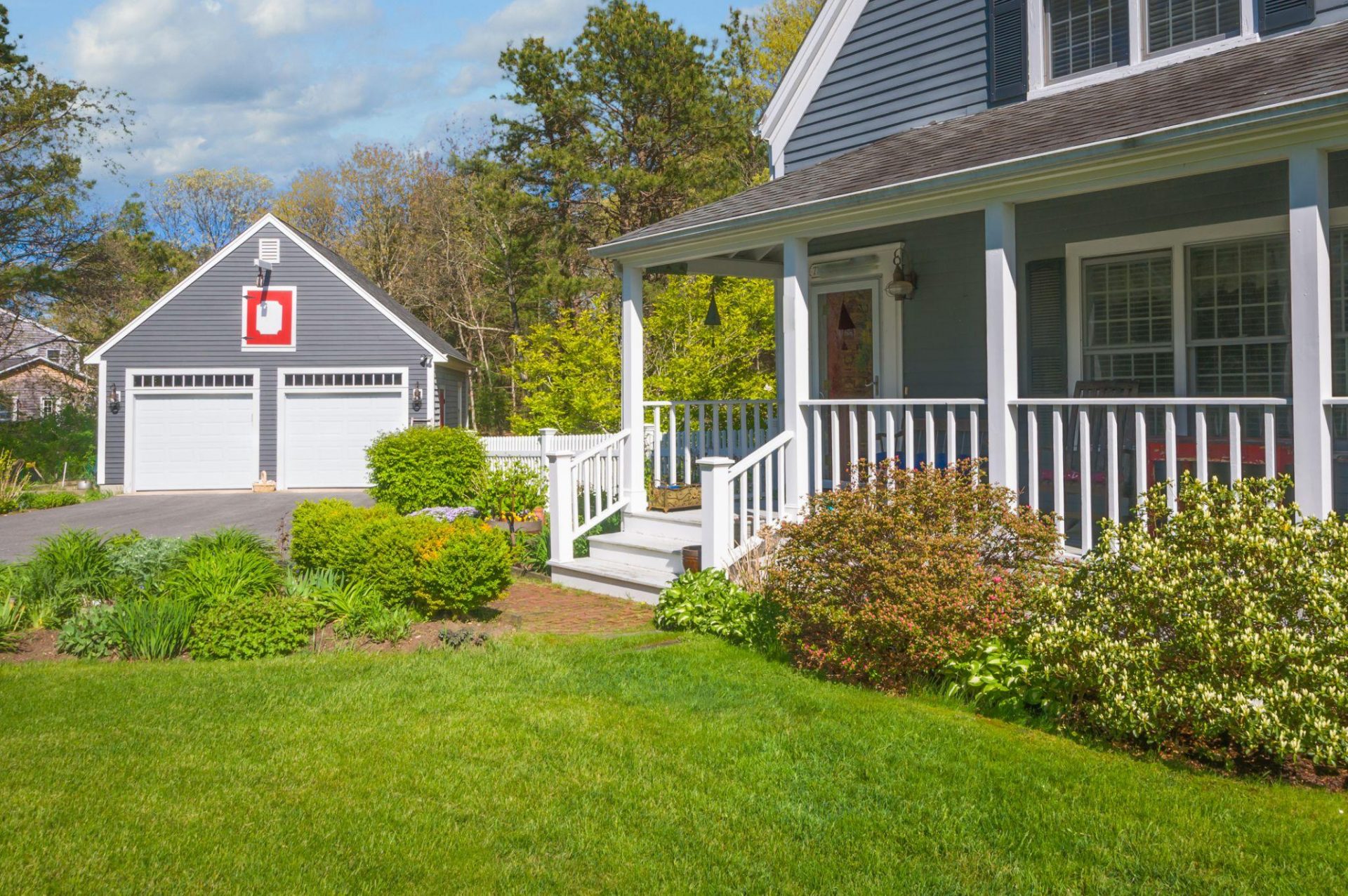
March can feel like the start of the season, but your main job is patience. When a lawn care calendar begins always depends on soil temperature. Wait until it reaches about 50°F before doing anything active. Start by walking your property. Look for:
- Bare patches from winter damage
- Snow mold or matted areas
- Dry edges exposed to wind
- Spots where water pooled and froze
Frost is still a real factor this month. Even if you get a warm stretch, seeding now will not hold. Your lawn is not ready. Use this time to prepare equipment instead. Sharpen mower blades so your first cut is clean. Inspect irrigation heads for cracks or shifting. Service anything that needs attention. A good lawn care schedule begins with preparation, not action. March is where you set yourself up for the months ahead.
April — Spring Cleanup And The Pre-Emergent Window
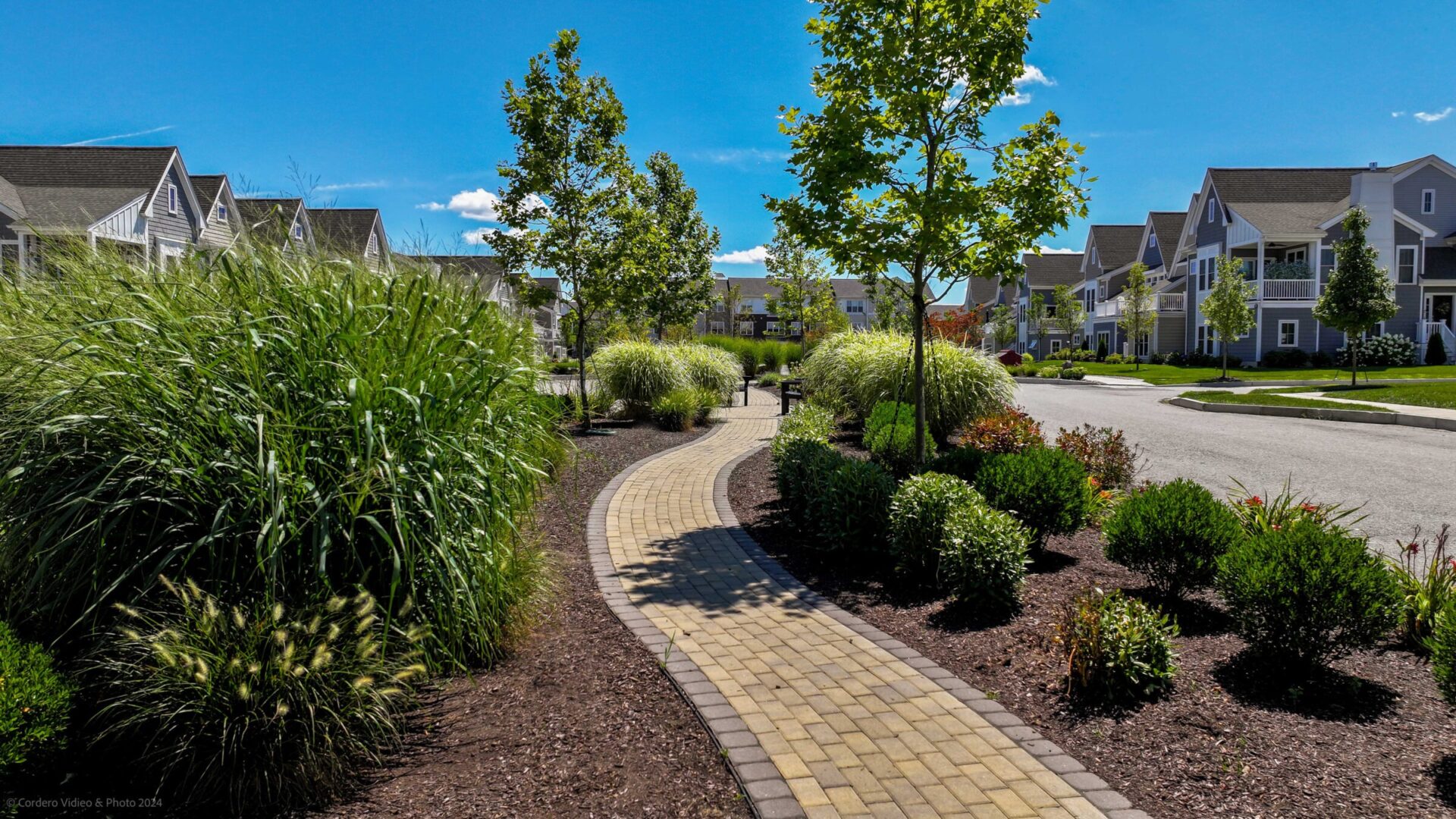
April is when your lawn care plan becomes active. Start with cleanup. Remove debris, branches, and leftover leaves. If thatch exceeds half an inch, light dethatching can help open the surface. Next comes pre-emergent weed control. Timing matters here. On the South Shore, many experienced teams use forsythia blooms as a natural signal. When those yellow flowers appear, it is time to apply.
As grass begins to grow, you can start mowing. Keep your first cut around 2.5 to 3 inches. Avoid cutting too short. Early stress opens the door for weeds to take hold. You can also take advantage of professional help if needed. Many homeowners schedule spring cleanup through services like Residential Property Maintenance to save time and ensure consistency. This step in your lawn care Massachusetts plan sets the tone for weed control and growth heading into May.
May — First Fertilizer Application And The Active Growing Season

May is when your lawn care calendar shifts into steady growth. Soil temperatures should now stay above 55°F, making it the right time for your first fertilizer application. Choose a balanced or slightly higher-nitrogen product. This supports leafy growth without pushing the lawn too aggressively.
Set your mowing height between 3 and 3.5 inches. Establishing this height early helps your grass handle summer conditions better. You should also start addressing weeds. Focus on spot treatments rather than covering the entire lawn. Targeting individual weeds like dandelions or clover reduces unnecessary chemical exposure and keeps your lawn healthier overall. Your lawn care schedule in May is about building strength. Consistent mowing, proper feeding, and targeted weed control all work together to prepare your lawn for summer.
June — Irrigation Setup And Summer Preparation
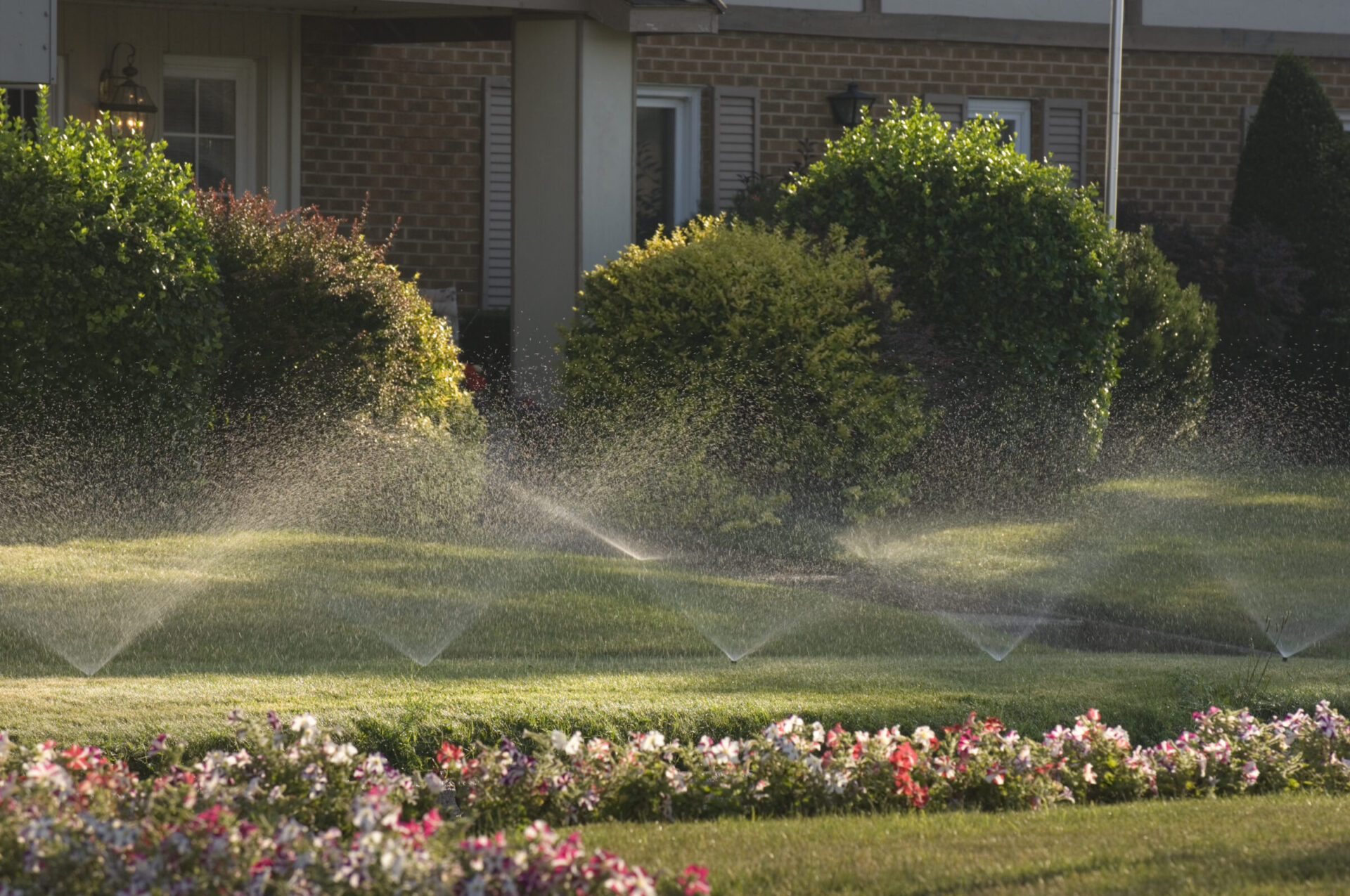
June is when your lawn care calendar shifts toward preparation for heat. Irrigation becomes the priority. Because Plymouth County soils are sandy, they do not hold water well. Instead of deep, infrequent watering, you need shorter and more frequent cycles. This allows water to absorb without running off. Exact timing depends on your property, so any fixed numbers should be reviewed carefully. Factors like slope, shade, and soil composition all matter.
Raise your mowing height to about 3.5 inches if you have not already. Taller grass shades the soil and helps retain moisture. If you skipped fertilizing in May, you can apply a slow-release product early this month. Just avoid overlapping applications within a 4 to 6-week period. This part of your lawn care schedule ensures your lawn enters summer ready for the heat stress to come.
July, August, & September — Hold The Line
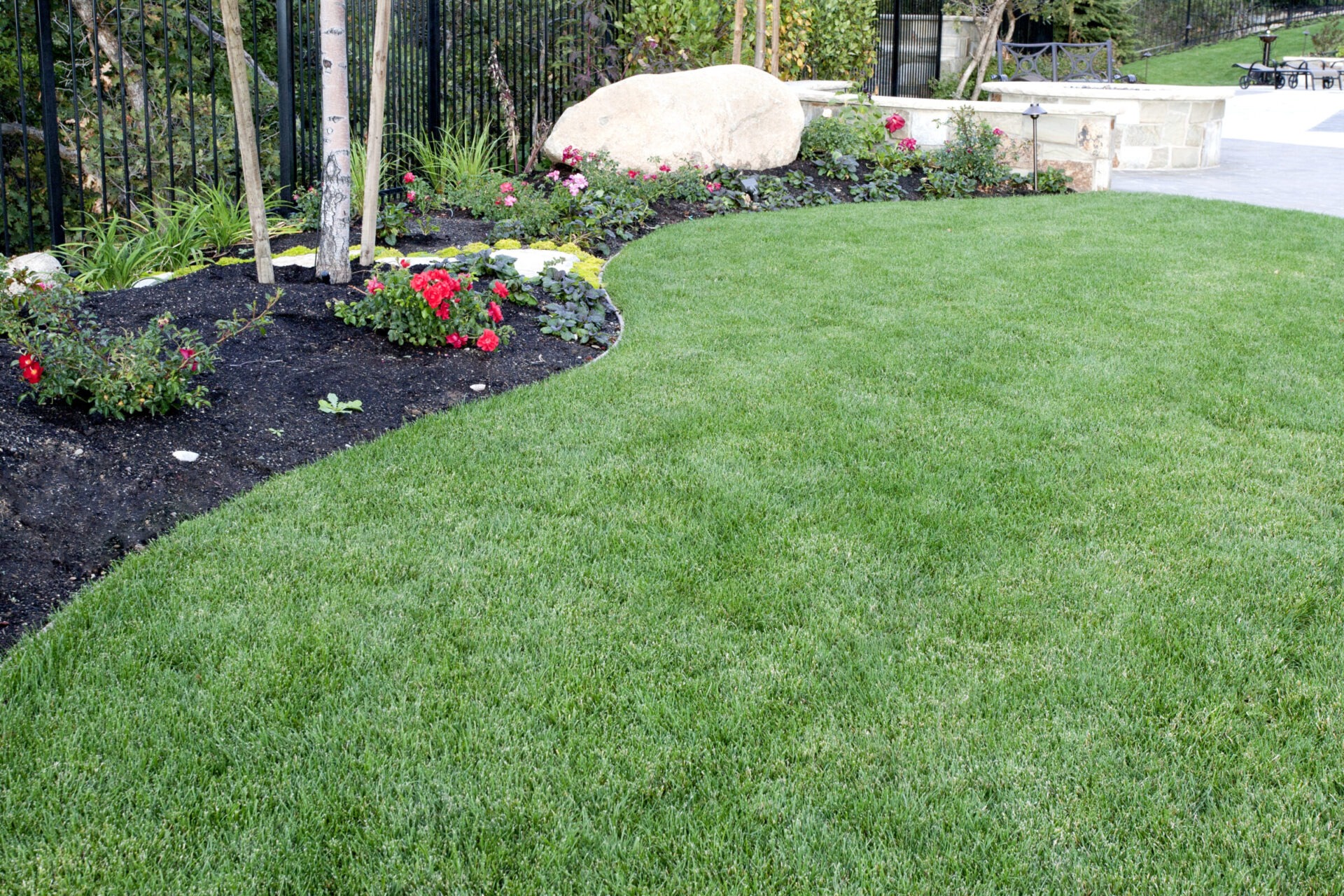
Mid-summer is not the time to push your lawn. In any lawn care calendar across Massachusetts, July and August are defensive months. Your goal is to maintain health, not improve it. Watch for drought stress. A simple way to check is the footprint test. If your footprints remain visible after walking across the lawn, it needs water. You may also notice:
- Blue-gray coloring
- Blades curling inward
- Slower growth
Avoid maintenance work during this period. Do not:
- Overseed
- Aerate
- Apply fertilizer
These actions belong in the fall. If weeds appear, use spot treatments only. Avoid applying herbicides when temperatures exceed 85°F. Heat increases the risk of damaging your lawn. Water early in the morning whenever possible. Evening watering combined with coastal humidity increases disease risk by leaving plants damp overnight.
This phase of your lawn care calendar is about consistency and protection.
October — The Most Important Month Of The Lawn Care Year
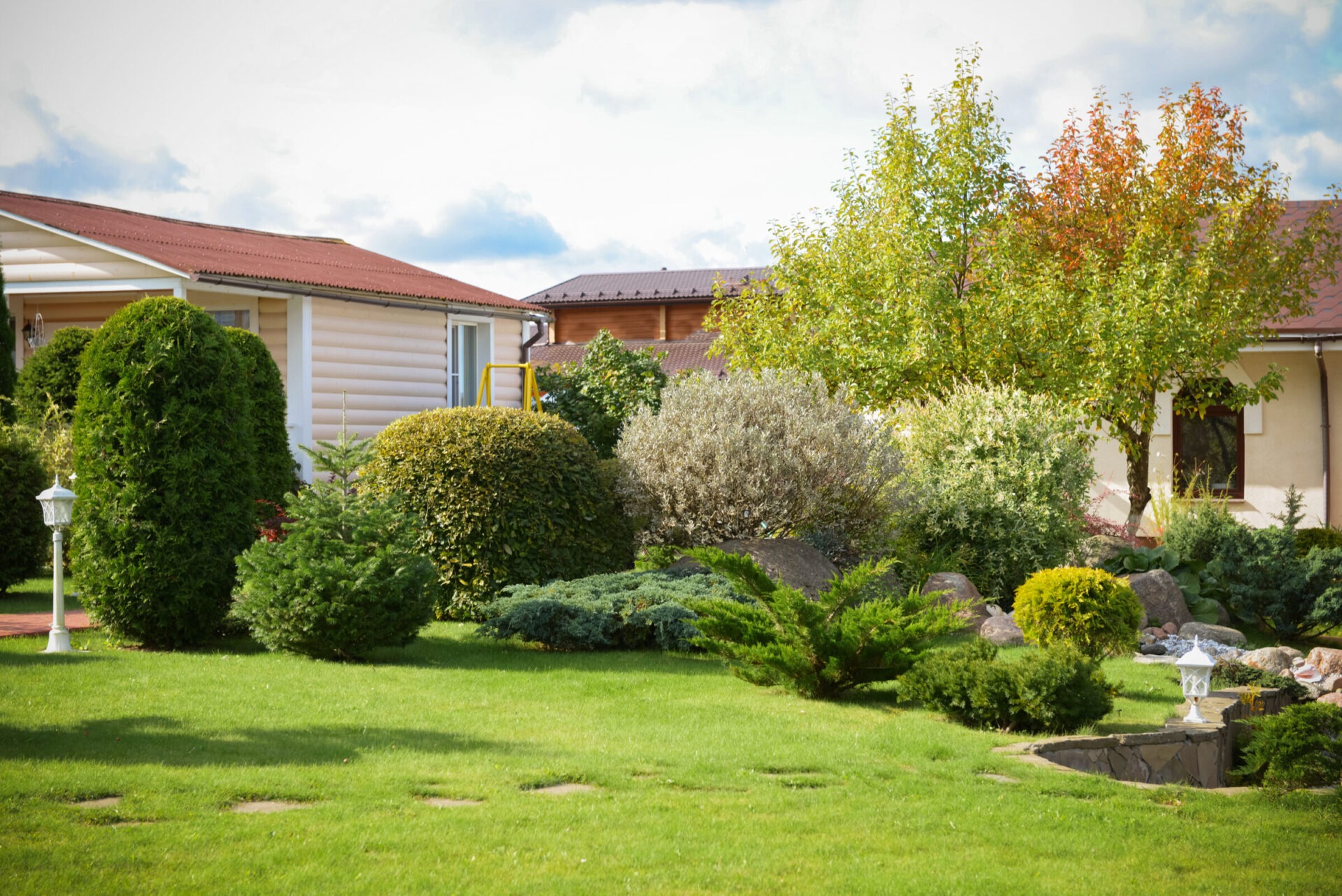
September is the most impactful month in your lawn care calendar for Massachusetts. What you do now directly affects how your lawn performs next spring. Start with aeration. If you are wondering when to aerate lawns for Massachusetts properties, this is your window. Core aeration breaks up compacted soil and allows air, water, and nutrients to reach the roots.
Immediately after aeration, overseed. The open soil creates ideal seed-to-soil contact. Warm ground temperatures support germination, while cooler air reduces stress on new growth. Follow this with fall composting. Apply compost after overseeding to support root growth before winter.
This is also the time to address thin areas, correct uneven growth, and improve overall density. In any lawn care program South Shore properties rely on, October is where results are built. Missing this window means waiting another full year to correct issues.
You can also complete final weed control if needed. Check both air and soil conditions before applying any products. Keep mowing as long as your lawn continues to grow. Do not let it go into dormancy with excessive height. Long grass can mat down under snow, creating conditions for disease. This month helps your lawn store nutrients and energy. That preparation is what supports a healthy return in spring.
November — Final Mow And Seasonal Cleanup
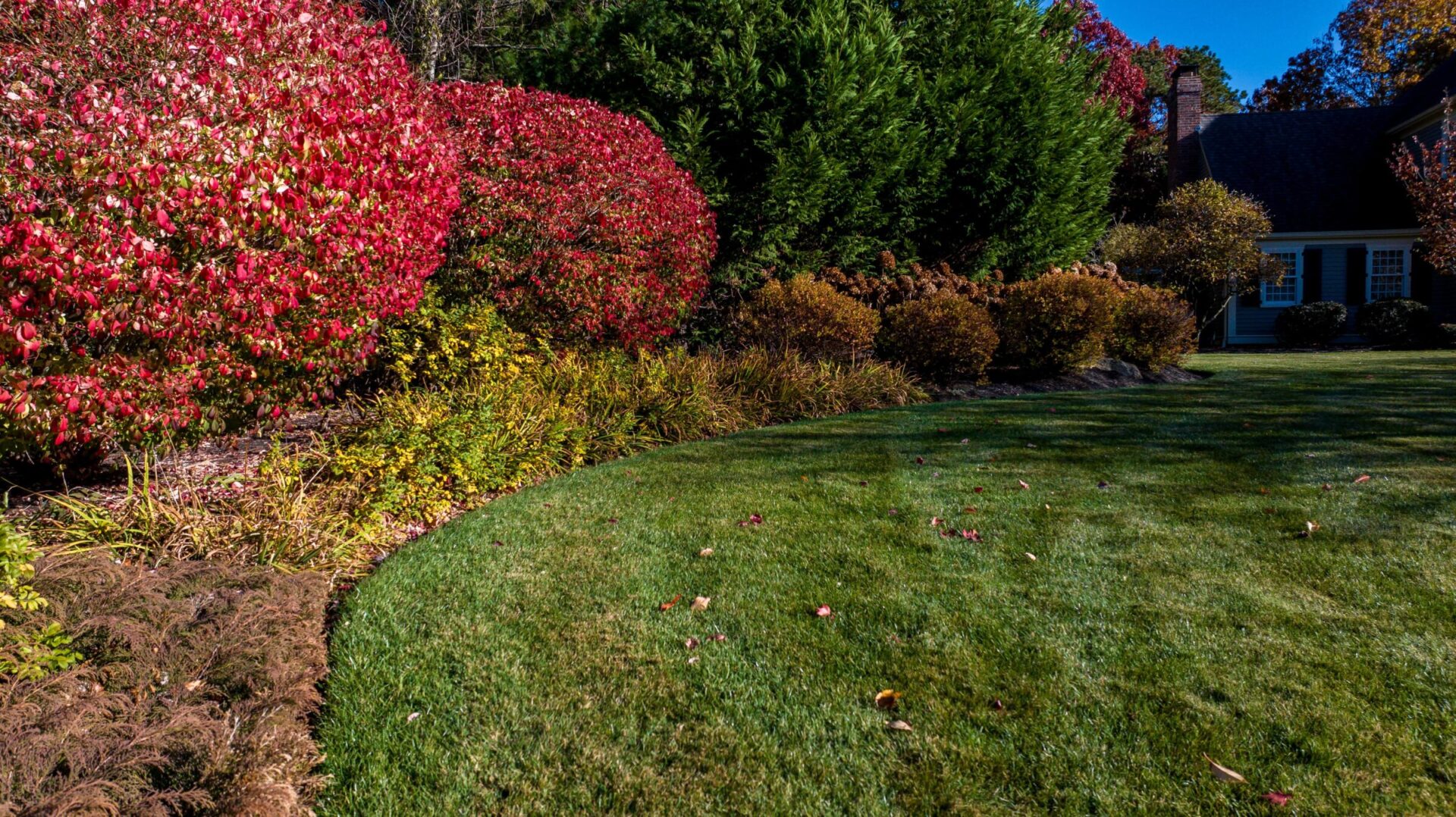
November is about closing out your lawn care routine properly. Lower your mowing height slightly for the final cut. Around 2.5 inches is commonly recommended, but confirm what works best for your property. Leaf removal is essential. A thick layer of leaves blocks sunlight and traps moisture. That creates the perfect environment for mold and disease.
You should also prepare your irrigation system. Drain or blow out lines before freezing temperatures arrive. In Plymouth County, this usually happens between late October and mid-November. If you have not scheduled a cleanup yet, this is a good time to explore our Residential Property Maintenance services, which include fall cleanup and winter prep.
Your lawn care schedule ends the active season here. What you do now protects everything you worked on during the year—and you can look forward to watching it thrive next spring.
December Through February — Dormancy

During winter, your lawn care plan becomes simple. Do not apply anything to the lawn. No fertilizer, no seeding, and no treatments are needed.
Instead, use this time to review your property. Look back at photos from the past season. Identify areas that struggled and decide what adjustments you want to make. This quiet period in your lawn care schedule is about planning, not action.
Put the garden tools away, enjoy the snowy scene outside, and focus on keeping your driveway clear.
A Note On Professional Lawn Care Programs

Following a lawn care plan takes time and attention. Each step depends on proper timing, soil conditions, and weather patterns.
A professional lawn care program in South Shore that homeowners rely on typically covers:
- Seasonal services in spring and fall
- Soil quality preparation and monitoring
- Constant care and attention throughout stressful summer months
- Irrigation setup and support
- Horticultural knowledge that protects plants and adds seasonal color
This approach removes the guesswork. It also ensures that key windows, like spring mulching or fall aeration, are never missed.
Following a lawn care calendar for Massachusetts gives you structure. Each month builds on the last, and small actions add up over time. When you stay consistent, you reduce stress on your lawn and avoid major corrections later. That means fewer surprises and more predictable results. If you want support along the way, you can always explore professional help. Request a quote.
Summary
This blog is part of a series that begins with The Plymouth County Lawn Care and Landscape Maintenance Guide.
By breaking lawn care into monthly steps, the process becomes easier to manage and more effective over time. Each month’s tasks build on the progress made in the previous one, creating a steady rhythm of care that supports long-term lawn health. Rather than waiting for visible problems to appear, this structured approach encourages regular attention and preventive maintenance.
Consistency is one of the biggest advantages of following a monthly plan. Small, routine actions such as mowing correctly, watering properly, fertilizing at the right times, and addressing weeds early can make a significant difference. These ongoing efforts help reduce stress on the grass, strengthen root systems, and improve the lawn’s ability to handle seasonal changes. As a result, homeowners are less likely to face major issues that require costly or time-consuming corrections later.
A lawn care calendar also helps create more predictable results. With a reliable plan in place, there are fewer surprises and less guesswork about what the lawn needs next. Over time, this leads to greater confidence and less frustration. For those who want extra guidance or prefer expert assistance, professional lawn care services are also available, and requesting a quote can be a helpful next step.
Tags: