
The Plymouth County Lawn Care and Landscape Maintenance Guide: Everything Your Property Needs
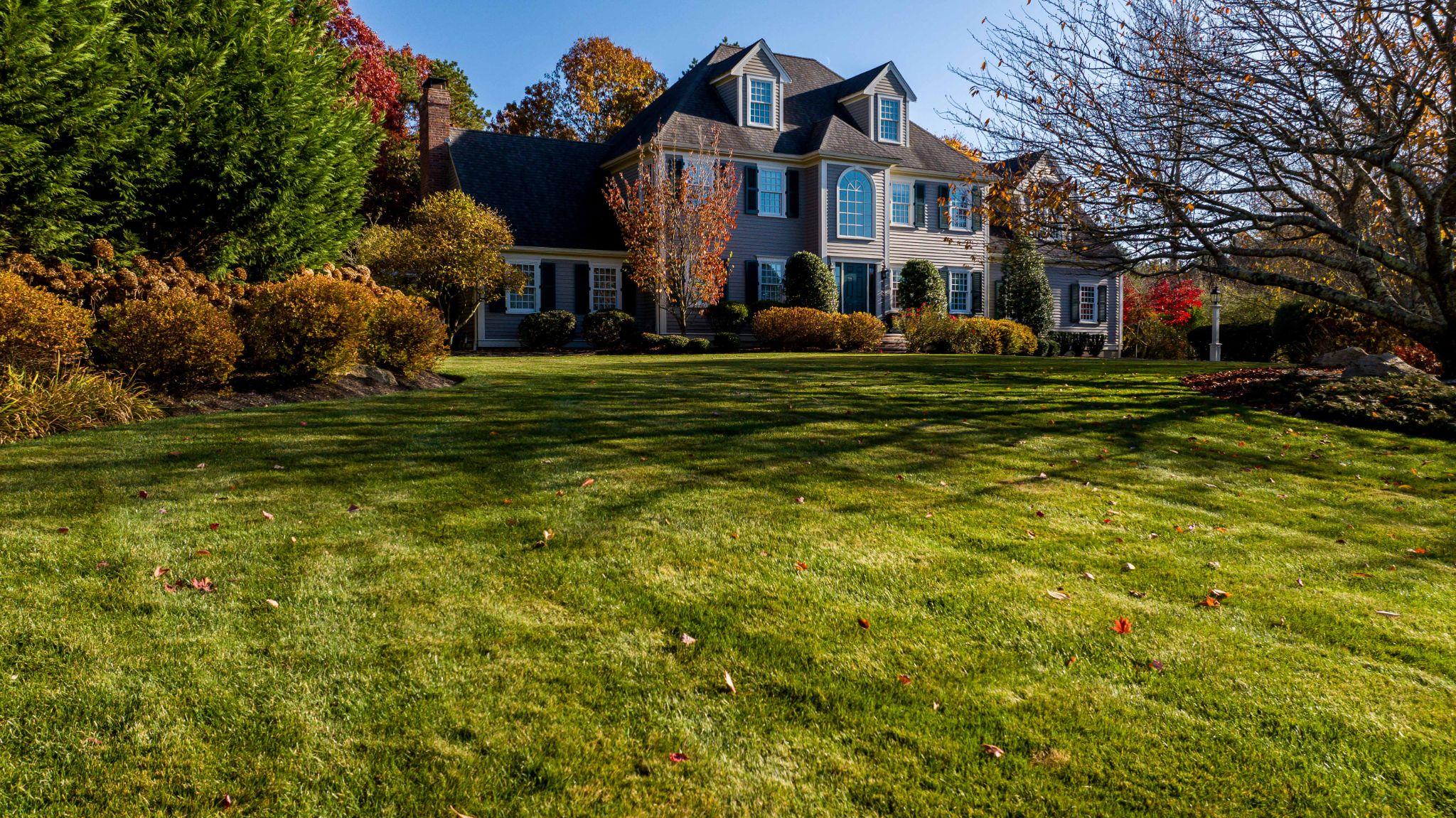
Plymouth County and other South Shore homeowners face unique challenges that make lawn care management more complicated than most guides suggest. Sandy soils drain quickly. The growing season is shorter than expected. And many properties treat lawn and landscape care as separate tasks, which often leads to inconsistent results across the property.
If you’ve ever followed a general Massachusetts lawn care guide and still ended up with thin grass, stressed plants, or weed pressure, you’re not alone. The timing windows here are tighter, and the soil behaves differently than in other parts of the state. Missing even one step in your lawn care program can affect your entire property for the rest of the season.
This guide is built specifically for Plymouth County and South Shore communities. It brings together what your lawn, shrubs, and planted beds need based on your lawn care calendar for Massachusetts, so your entire property works as one system.
Why IS Lawn And Landscape Maintenance In Southeastern Massachusetts Different?
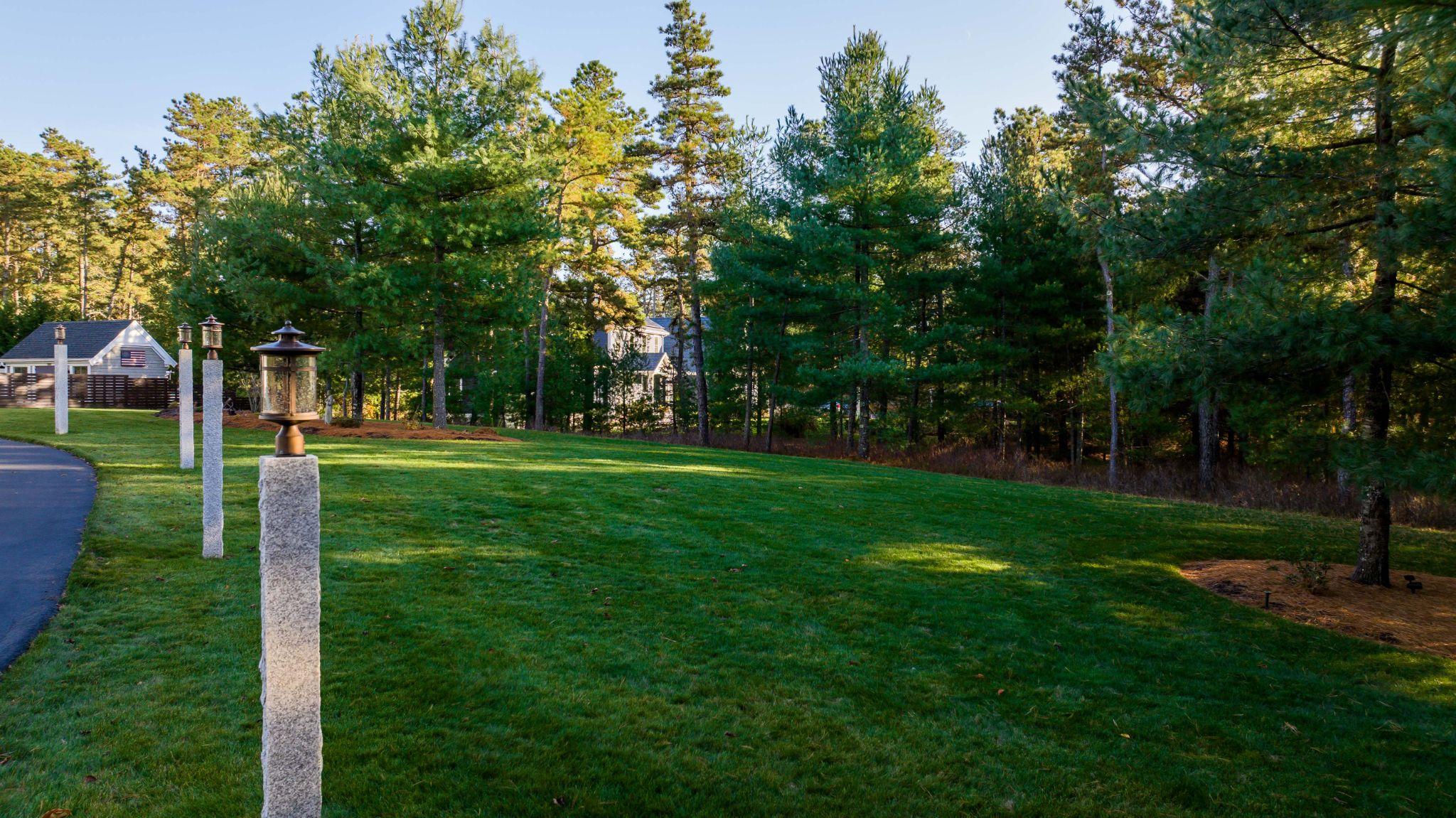
Plymouth County sits on glacially deposited sandy loam, and that directly shapes how your property behaves. This soil drains quickly, loses nutrients faster than heavier ground, and compacts in a way that affects root development. That impact goes beyond your lawn care program; it influences every planted bed, shrub border, and groundcover across your landscape.
In towns like Wareham and Plymouth, especially near Buzzards Bay, coastal conditions add another layer. Salt spray can affect foliage over time, while higher humidity increases the risk of disease in both turf and plants. Properties closer to the shoreline also deal with even faster drying soils, which makes consistent moisture management more important. Some plants that look great on paper struggle in these conditions, especially without proper placement and care.
You’re also working within a compressed growing season. Late frosts can extend into mid-April, which delays early lawn care program steps and affects spring planting. At the same time, summer heat can arrive quickly. That creates a narrow window where tasks like fertilization, overseeding, and bed preparation need to be timed carefully to support strong growth.
Timing matters more here than most homeowners expect. A few weeks too early or too late can affect how well your lawn care program performs for the rest of the season. That’s why a structured, location-specific approach helps keep everything on track from turf care to shrubs and planted areas.
This perspective comes from years of working with South Shore properties under these exact conditions. Landscapes by D&J has been maintaining lawns and landscapes in this region since 2010, and the approach outlined in this guide reflects what consistently performs well across both lawn and landscape areas in Plymouth County.
What Type Of Grass Does My Lawn Need?
Most lawns in Plymouth County rely on cool-season grasses:
- Kentucky bluegrass
- Perennial ryegrass
- Fine fescues
- Blended mixes of these varieties
Fine fescues are especially important for this region. They perform well in sandy, low-pH soils and handle lower-input lawn care programs better than other grasses. If your property has shaded areas or dries out quickly, fine fescue should be part of your mix.
Warm-season grasses like Bermuda or zoysia don’t belong in a Massachusetts lawn care program. They require longer, hotter growing seasons and go dormant too early in the fall here.
What Plants And Shrubs Work In Plymouth County Landscapes?
Your landscape should align with the same conditions that shape your lawn care program: fast-draining sandy soil, coastal exposure, and shifting moisture levels. Native and near-native shrubs tend to perform best because they are adapted to these conditions. Common, reliable choices across Plymouth County include bayberry, native viburnum species, inkberry, low-growing junipers, and rugosa roses. These shrubs handle salt exposure and dry soil more consistently than many non-native options.
For planted beds, matching plants to light conditions is key. In shaded areas, especially under mature trees common on South Shore properties, hostas, ferns, and astilbe typically perform well. In full sun areas with drier soil, plants like coneflower, black-eyed Susan, and native grasses are better suited. This is a starting point, not a full planting plan. For detailed plant selection, layout, and ongoing care, refer to the fine gardening program.
How Should You Handle Spring Lawn And Landscape Care (March–May) In Plymouth County?
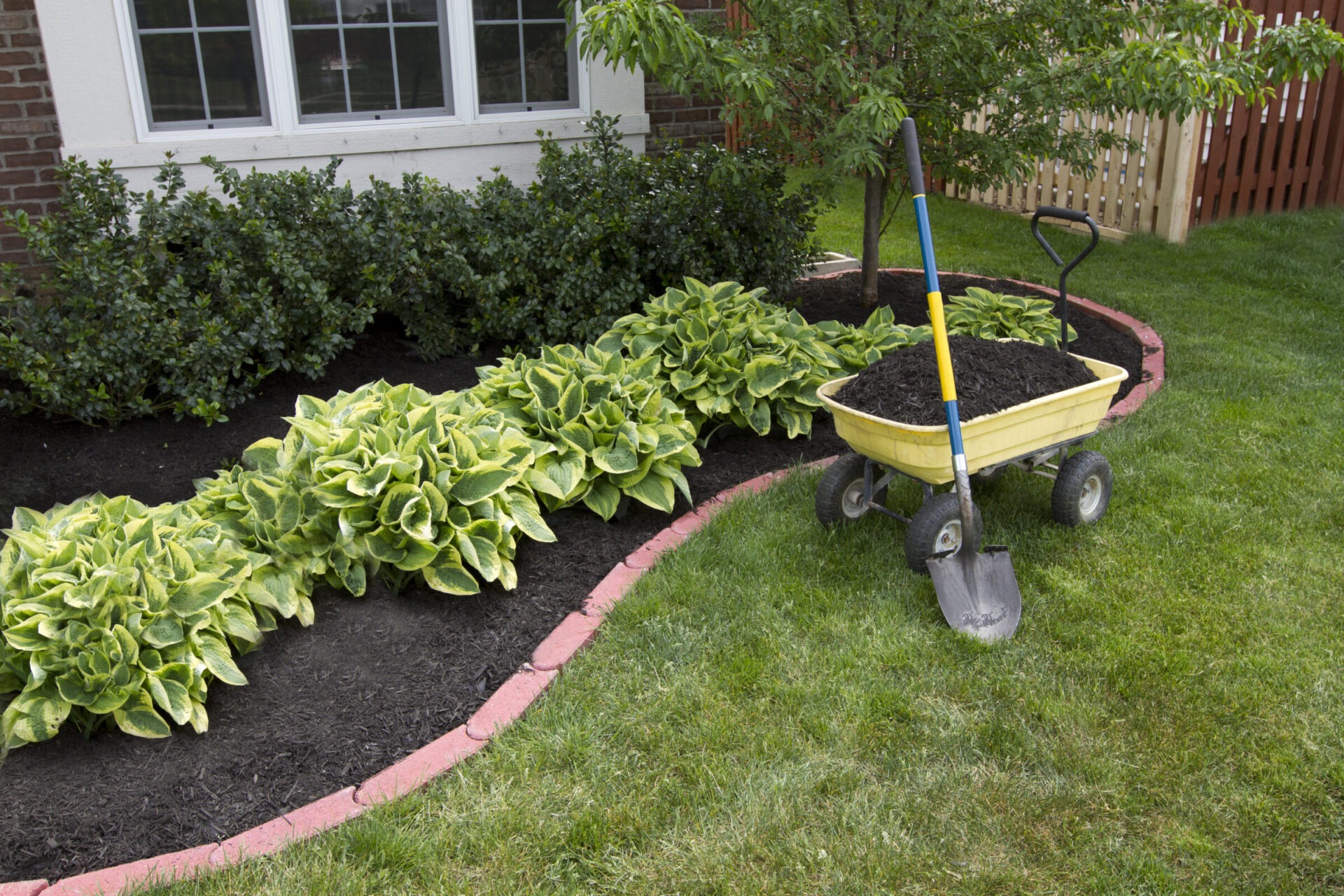
Spring is where most lawn care program mistakes happen across Plymouth County properties. The biggest issue is timing. Many homeowners start too early before soil conditions are ready, which can set back both the lawn and the surrounding landscape.
Soil temperature should guide your lawn care program. You’re looking for consistent readings of at least 50°F before beginning major steps. That timing shifts each year. A hard frost in mid-April is still common in southeastern Massachusetts, and it can affect early growth, newly divided perennials, and spring overseeding.
For your lawn, the sequence matters:
- Remove debris and complete light dethatching
- Apply pre-emergent herbicide during the crabgrass window
- Apply your first fertilizer once soil temperatures stabilize
Skipping or rushing these steps often leads to weaker results later in the season. For planted beds and landscape areas, spring cleanup is the most important maintenance visit of the year. Priorities include:
- Cutting back ornamental grasses and perennials
- Removing winter debris from bed areas
- Applying fresh mulch before weeds emerge
- Checking shrubs for winter damage
A 2–3 inch mulch layer starting in May helps retain moisture and suppress early weed growth. This is also where Landscapes by D&J’s spring cleanup service plays a direct role in keeping both lawn and landscape areas aligned at the start of the season. For more detailed bed care, pruning, and plant management, check out our fine gardening program.
When To Apply Pre-Emergent In Massachusetts
Forsythia bloom is the traditional and most reliable local timing benchmark for pre-emergent application in Plymouth County. When you see forsythia flowering across the South Shore, it signals that soil temperatures are approaching the point where crabgrass begins to germinate. In practical terms, that means the prevention window is opening, and your lawn care program should be ready to act.
This timing matters because pre-emergent works by stopping seeds before they sprout. If it’s applied too early, before soil temperatures rise, its effectiveness can wear off before crabgrass fully enters its germination phase. That shortens the protection window and leaves your lawn exposed later in spring.
On the other hand, applying too late (once soil temperatures reach around 55°F) means crabgrass has already started to grow. At that stage, pre-emergent will not provide the control your lawn care program is designed to deliver. Using forsythia bloom as your guide helps you stay aligned with real conditions each season.
Spring Shrub And Bed Care Priorities
- Prune spring-flowering shrubs after they bloom: Shrubs like lilac, forsythia, and viburnum set their flower buds the previous season. Pruning too early in spring removes those buds and reduces flowering.
- Cut back new-wood shrubs in mid-to-late April: Plants such as roses, caryopteris, and buddleia can be pruned more aggressively once frost risk has passed in Plymouth County.
- Apply 2–3 inches of fresh mulch in late April or early May: This helps retain moisture and suppress early weed growth across bed areas.
- Avoid piling mulch against stems or trunks: “Volcano mulching” can lead to crown rot and long-term plant health issues.
- Cut back perennials once new growth appears: Ornamental grasses, sedums, and similar plants should be trimmed to about 3–4 inches once you see new growth at the base.
How Should You Approach Early Summer Lawn And Landscape Care (June) In Plymouth County?
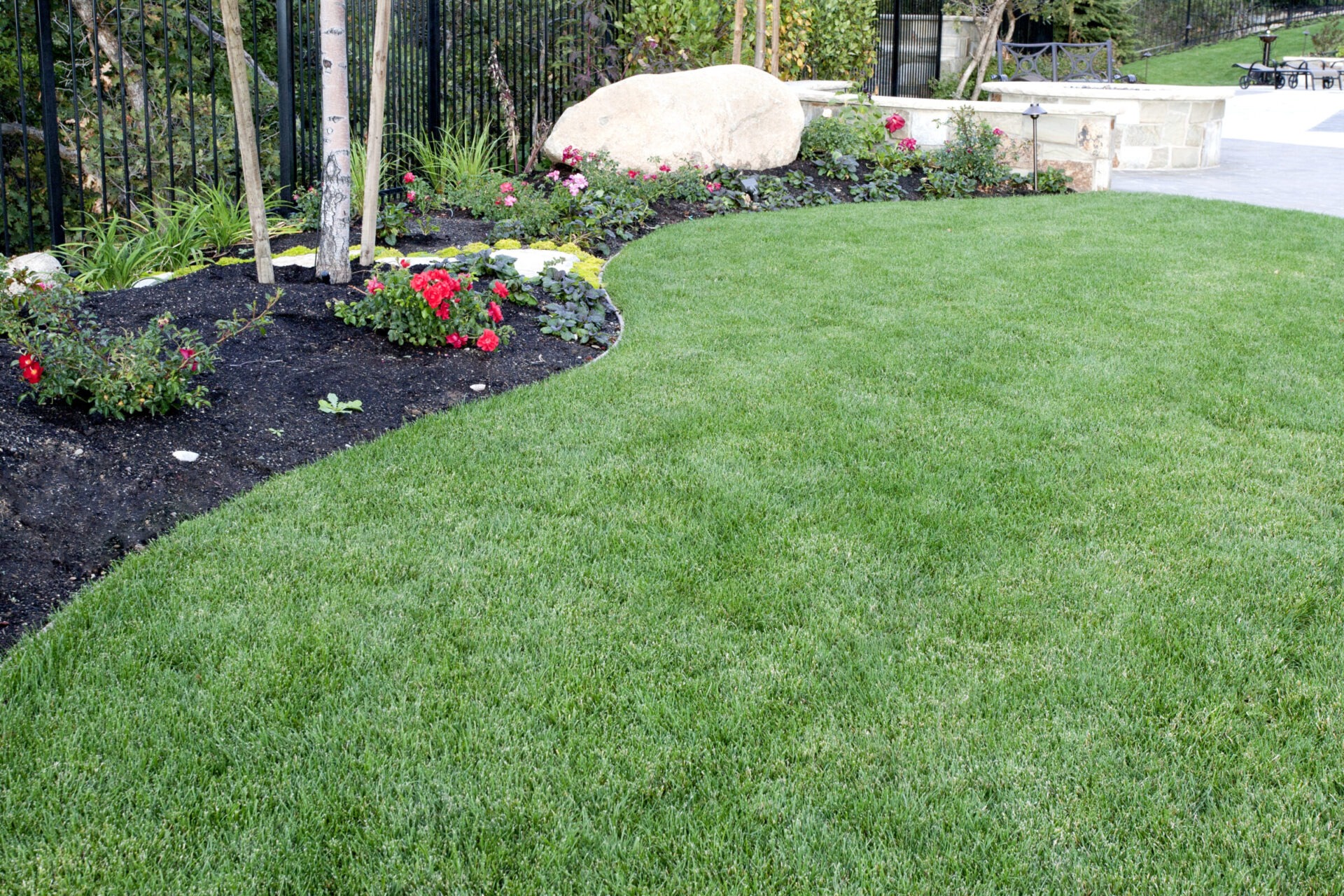
June is the critical setup window in your lawn care program before summer heat stress arrives. What you do now determines how well your lawn and landscape hold up through July and August. For your lawn, mowing height is the most important variable. Raise your mower to 3–3.5 inches going into summer. Cutting too short is one of the most common mistakes on South Shore properties because it exposes soil, increases stress, and creates space for weeds to move in.
If your lawn care program includes fertilization, early June is the time for a slow-release application. This supports steady growth without pushing the lawn during peak heat. Watering needs to match Plymouth County’s sandy soil:
- Water more frequently, but for shorter durations
- Focus on early morning watering sessions
- Avoid deep, infrequent watering, which drains too quickly in sandy ground
This approach applies to both lawn areas and planted beds. For landscape beds, June is your early-summer adjustment period:
- Deadhead perennials to encourage continued growth
- Prune spring-flowering shrubs after blooming finishes
- Add a light top-dress of mulch if coverage has thinned
- Check for exposed soil, which can lead to weed growth
June is also the time to assess irrigation coverage across your entire property. Adjust sprinkler heads and drip lines now, while conditions are manageable. Fixing gaps at this stage is far easier than trying to recover stressed turf or plants in August.
How Do You Manage Lawn And Landscape Care During Mid-Summer (July–August) In Plymouth County?

This is a defensive phase in your lawn care program across Plymouth County. The goal during July and August is not to push growth, but to protect what you already have and carry your lawn and landscape through to the fall recovery window.
For your lawn, it’s important to recognize signs of drought stress early. If footprints remain visible after walking across the lawn, it’s under stress. You may also notice a blue-grey color or grass blades that begin to roll or fold. During this period, your lawn care program should avoid major interventions. Overseeding, aeration, and heavy fertilizer applications are fall tasks. Attempting them in mid-summer often wastes effort and can weaken recovery later in the season.
Planted beds require a different kind of attention. Container plantings and shallow-rooted perennials are the most vulnerable in sandy South Shore soils. Focus on consistent moisture at the root zone rather than frequent surface watering. Established native shrubs with deeper root systems usually tolerate dry conditions well, but any recent plantings need close monitoring and supplemental watering during extended dry periods.
Weed control should be handled carefully. Spot treatment is appropriate, but applying herbicides when temperatures exceed 85°F can damage both turf and plants. Irrigation timing also matters. Morning watering is the most effective approach in coastal Massachusetts, as evening watering increases the risk of fungal issues in humid conditions.
Why Is Fall Lawn And Landscape Care (September–October) The Most Important Season For Your Property?
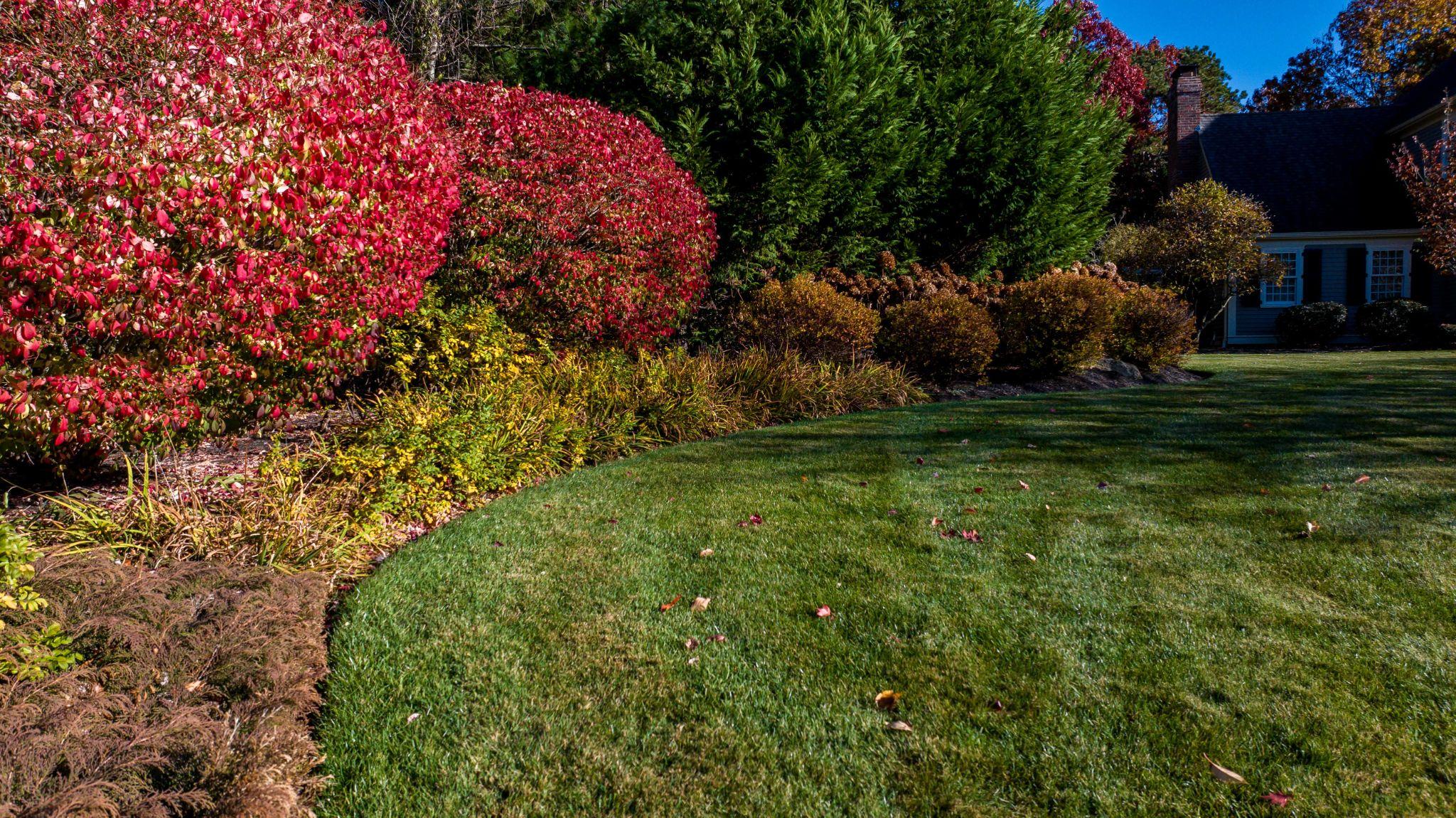
Fall is when Plymouth County properties are either set up properly for the following year or left to repeat the same issues. This applies to both your lawn care program and your planted landscape. The work you do in September and October directly shapes how your property performs next spring.
For your lawn, compaction is a major issue after a summer of foot traffic, outdoor use, and dry conditions. Core aeration in October is one of the most valuable steps in any lawn care program. It relieves compacted soil, improves airflow and water movement, and allows nutrients to reach the root zone more effectively.
September is also the ideal overseeding window in Plymouth County. Soil remains warm enough for strong germination, while cooler air reduces stress and limits weed competition. This creates the best conditions for filling in thin areas. For planted beds and landscape areas, fall is the key season for long-term plant health:
- Divide overcrowded perennials in September
- Cut back plants that have finished their seasonal display
- Plant spring bulbs
- Install shrubs and trees in October
At Landscapes by D&J, we offer a seasonal package that includes overseeding, aeration, and composting in fall to set lawns up for success come spring. Explore our Property Maintenance services.
Why September Overseeding Outperforms Spring Overseeding In Massachusetts
- Cooler air temperatures reduce heat stress on new grass seed, helping it establish more easily
- Soil temperatures remain warm enough to support consistent and reliable germination
- Weed competition is at its lowest point of the year, giving new grass a clear advantage
- The fall growing window allows seedlings to develop strong root systems before winter dormancy
Fall Shrub And Perennial Priorities
Fall landscape care in Plymouth County is often where small details get overlooked, and those missed steps can affect plant health heading into winter. Shrub pruning should be handled carefully. Avoid heavy pruning of flowering shrubs in the fall, as it can trigger soft new growth that will not survive the first frost. Instead, focus only on removing deadwood, correcting crossing branches, and lightly shaping evergreen shrubs before they harden off.
Perennial cutback should be selective, not automatic. Some plants are better left standing through winter, especially those that provide structure and support for wildlife. Coneflower seed heads and ornamental grasses, for example, add visual interest and serve a purpose beyond the growing season. A targeted approach is more effective than cutting everything back at once.
For new plantings, watering remains essential. Any shrubs or trees installed in fall need consistent moisture through October and into November, until the ground freezes. Their root systems are still developing and cannot yet access deeper soil moisture on their own.
How Should You Handle Late Fall And Winter Prep (November–December) In Plymouth County?
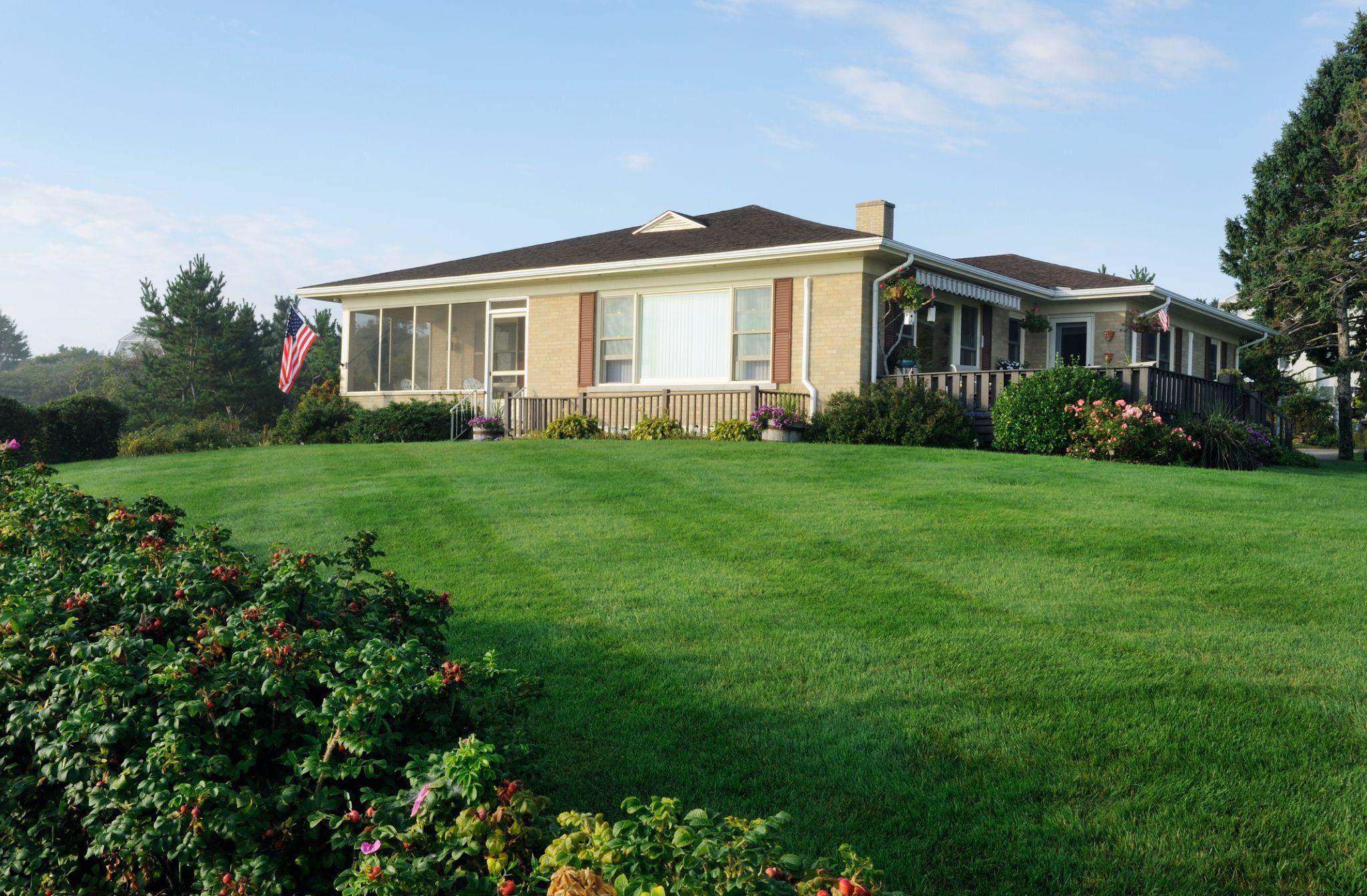
Your lawn care program in Plymouth County doesn’t end in October. Late fall is about closing out properly so your lawn and landscape enter winter in stable condition. Final mowing height before dormancy is typically around 2.5 inches. Cutting to this height helps reduce disease risk without stressing the turf. Late-season fertilization (often a potassium-forward winterizer applied in late October or early November) supports root strength and improves your lawn’s ability to handle freeze conditions. Leaf and debris removal is one of the most overlooked steps on South Shore properties. Leaving a layer of leaves across your lawn or beds can lead to:
- Trapped moisture that promotes fungal disease
- Snow mold development on turf areas
- Smothered groundcovers and shallow-rooted perennials
For planted areas, preparation should include:
- Blowing out or draining irrigation systems before hard freeze (typically late October to mid-November)
- Moving or protecting tender container plantings
- Wrapping exposed or marginally hardy shrubs, especially in coastal areas near Buzzards Bay
For DIY homeowners, equipment care also matters:
- Drain irrigation lines
- Service mower blades
- Store tools properly for winter
This is also where Landscapes by D&J’s residential property maintenance service fits into a full lawn care program, handling both lawn and landscape winter prep.
Should You Manage Your Own Lawn And Landscape Care Or Hire A Professional?
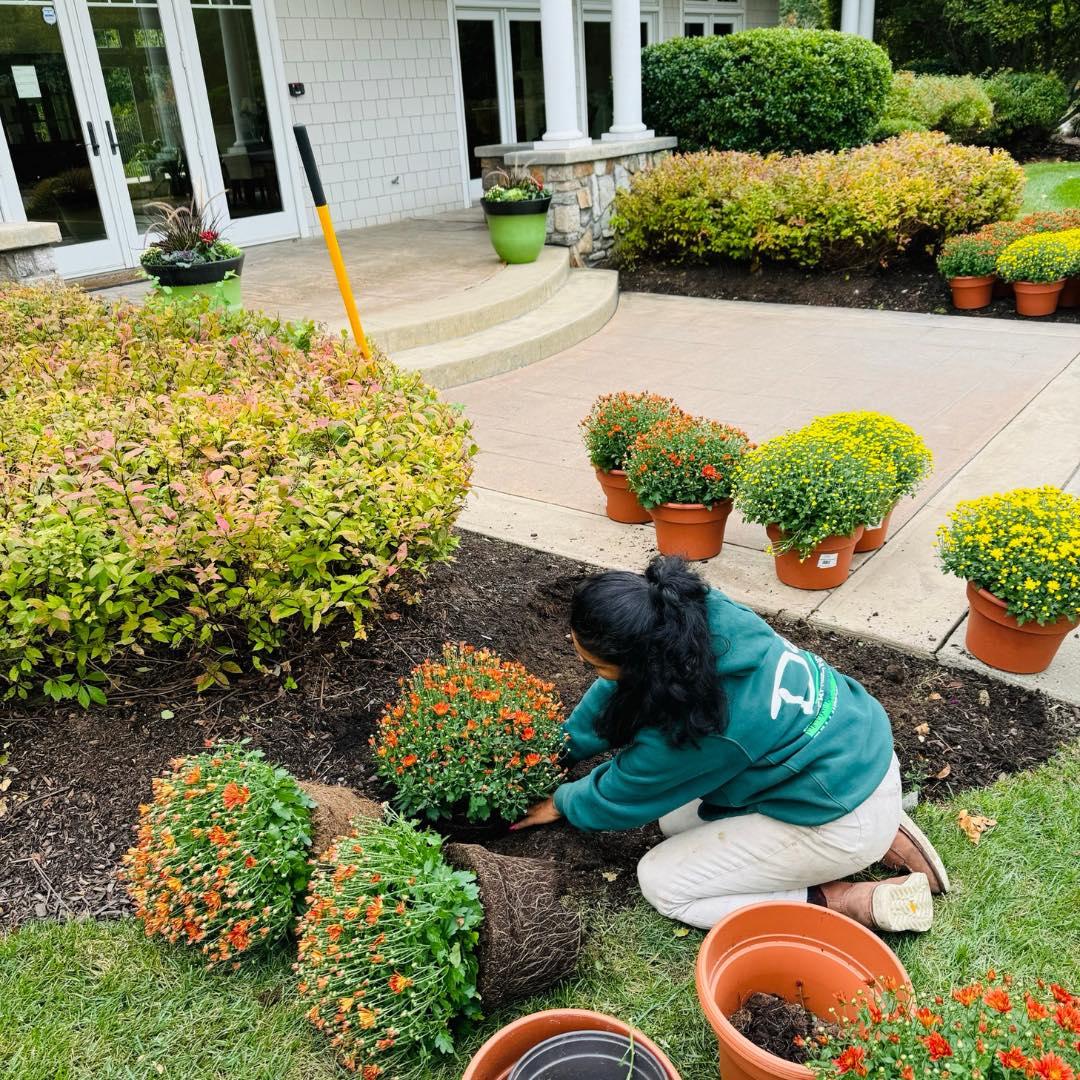
Deciding whether to manage your own lawn care program or work with a professional depends on your property, your schedule, and how much coordination you’re willing to take on throughout the year. A diy lawn care program can work well if:
- Your property is relatively small (under 5,000 sq ft of combined lawn and beds)
- Your planting areas are simple and low-maintenance
- You have the time and physical capacity to stay consistent
- You enjoy outdoor work and see it as part of your routine
In these cases, keeping up with seasonal tasks can be manageable with a clear lawn care calendar Massachusetts homeowners often follow. A professional lawn care program tends to make more sense when:
- Your property is over a quarter acre
- You’ve missed key timing windows in past seasons
- You’re dealing with compaction, drainage issues, or thinning turf
- Your planting beds are overgrown or difficult to restore in a weekend
- Your schedule makes it hard to stay consistent
The main factor is complexity. Managing a full property means coordinating multiple moving parts: lawn treatments, pruning cycles, seasonal cleanups, irrigation adjustments, and bed maintenance. When one step is missed, it often creates more work later. A structured program keeps everything aligned as a system rather than a series of disconnected tasks. If you’re considering outside help, here are a few useful questions to ask:
- How do you adjust timing for Plymouth County soil and climate conditions?
- Do you manage both lawn and landscape care together or separately?
- What does your seasonal schedule look like from spring through fall?
- How do you approach long-term issues like compaction or plant health?
What A Professional Lawn And Landscape Maintenance Program In Plymouth County Includes?
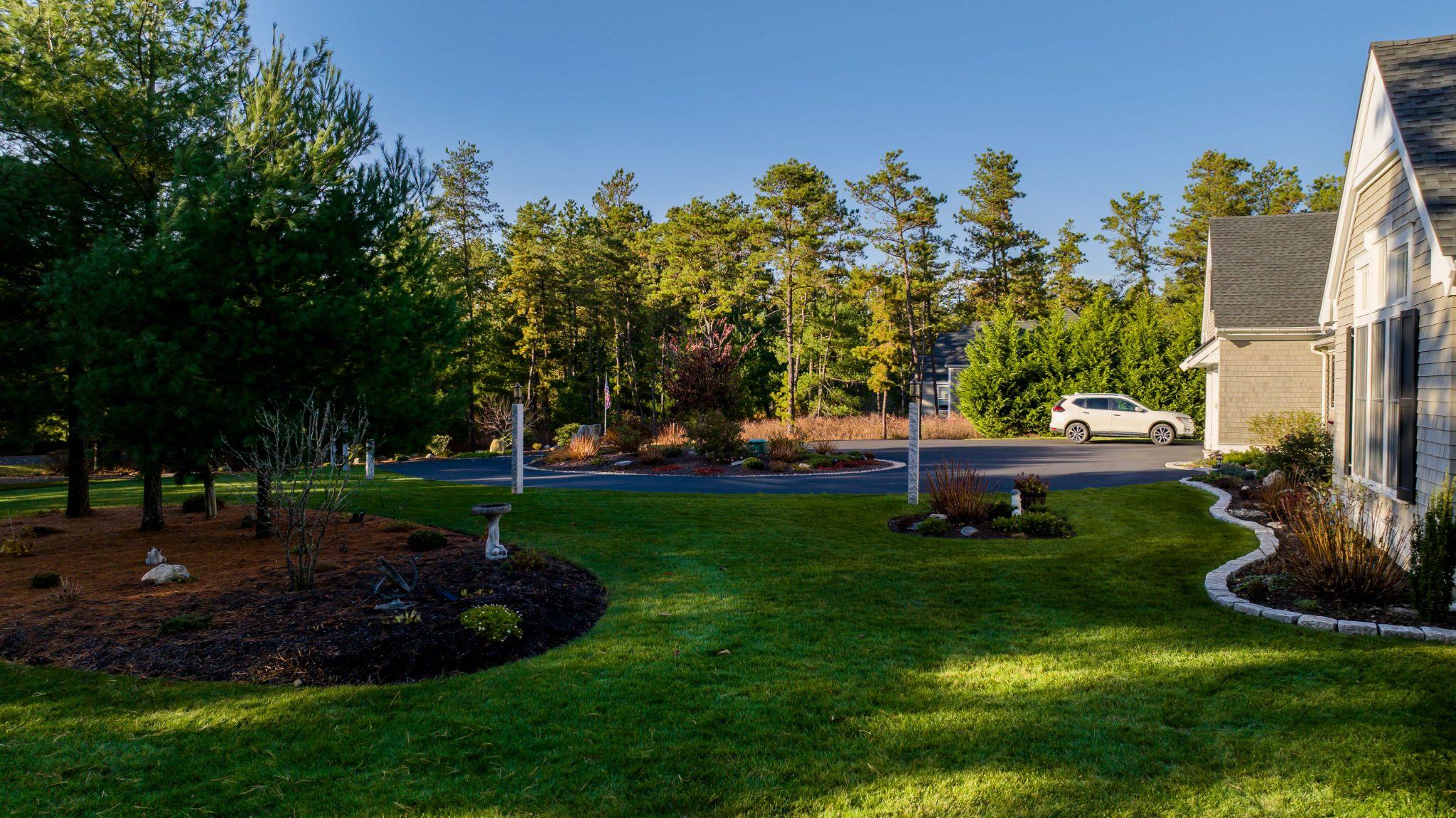
A structured lawn care program brings consistency across your entire property, especially when both lawn and landscape areas are managed together. Landscapes by D&J approaches this as a coordinated system rather than a set of separate services, which helps keep timing aligned across every part of your property. A typical program includes:
- Seasonal spring and fall cleanups covering both lawn and bed areas
- Core aeration and overseeding to improve turf density and soil health
- Mulching and bed edging to maintain clean, defined planting areas
- Shrub pruning and perennial management through the fine gardening program
- Ongoing lawncare maintenance visits to keep everything on schedule
If you’re considering organic lawn care in Massachusetts, fall is the right time to make that transition. Landscape care is handled through the fine gardening program, which focuses on:
- Perennial bed maintenance and deadheading
- Seasonal pruning and shaping
- Plant replacement and bed refreshes
- Spring and fall enhancements
Having one team manage both your lawn care program and landscape areas means:
- Consistent standards across the entire property
- No coordination gaps between separate contractors
- A team that understands the specific soil, layout, and conditions at your address
Frequently Asked Questions About Lawn And Landscape Care In Massachusetts
Q. When should I start my lawn care program in Massachusetts?
When soil temperatures reach about 50°F, typically mid-to-late spring in Plymouth County.
Q. How many times a year does a Plymouth County lawn need fertilizing?
Most lawn care programs include 3–5 applications, depending on soil conditions and goals.
Q. What is the best grass seed for South Shore Massachusetts?
A blend of Kentucky bluegrass, perennial ryegrass, and fine fescue.
Q. Is organic lawn care in Massachusetts effective?
Yes, when matched to soil conditions and applied consistently over time.
Q. When is the best time to aerate a lawn in southeastern Massachusetts?
Early fall, typically September through October.
Q. What shrubs perform best in Plymouth County’s sandy soils?
Bayberry, viburnum, inkberry, and rugosa rose are reliable options.
Bringing Your Lawn Care Program Together
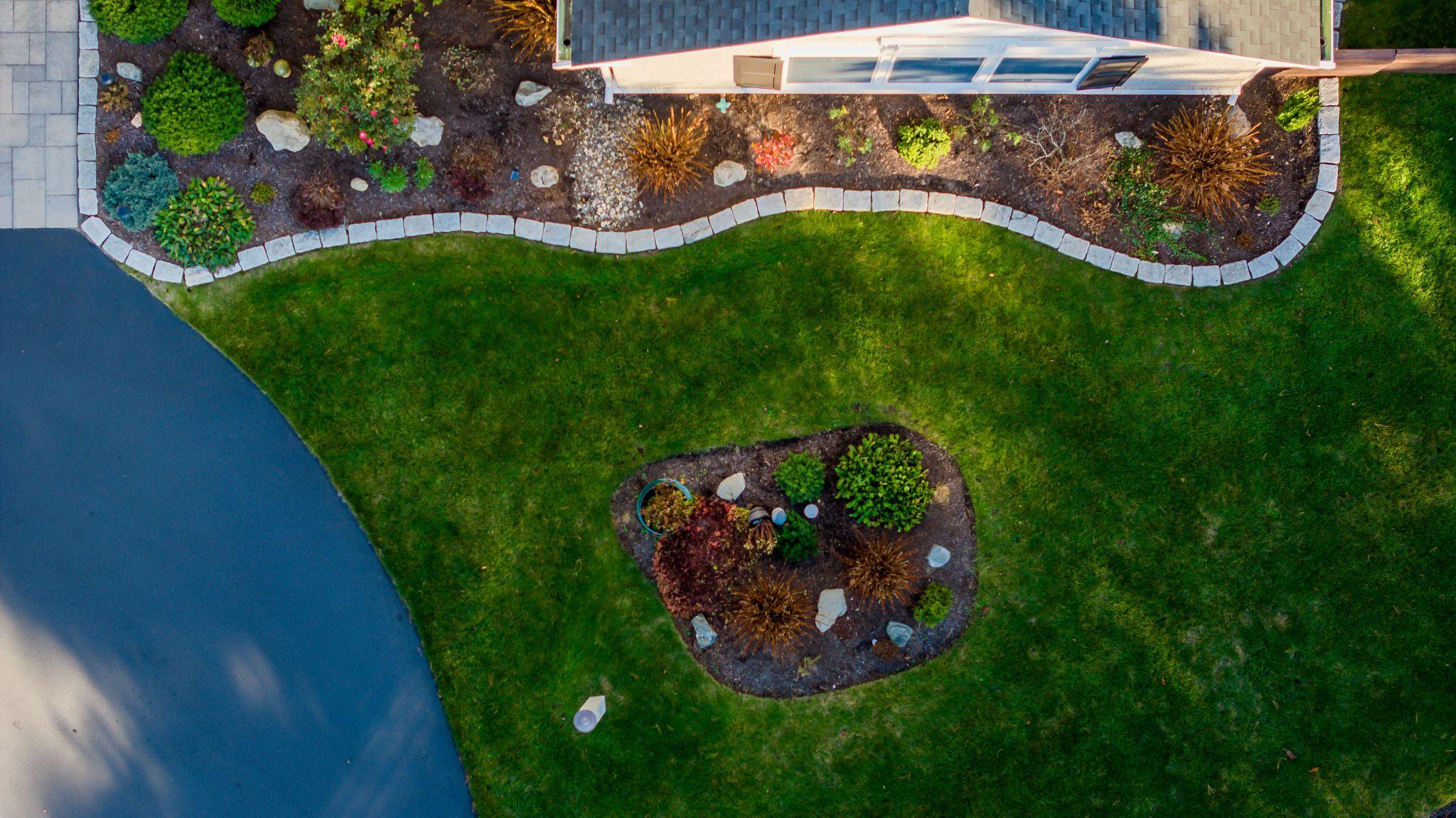
A successful lawn care program in Plymouth County comes down to timing, soil awareness, and managing your lawn and landscape as one connected system. When each season is handled correctly from spring setup to fall recovery, you reduce recurring issues and give your property a more consistent, predictable result year after year.
At Landscapes by D&J, the focus is on managing that full cycle with care and precision. Instead of treating lawn care and landscape maintenance as separate tasks, everything is approached as part of one coordinated plan. You get a team that understands South Shore soil conditions, adjusts timing based on real conditions, and maintains consistent standards across both turf and planted areas. That consultative approach, combined with reliable scheduling and well-maintained equipment, helps keep your property on track without the guesswork.
If you’re ready to simplify your lawn care program and have your entire property managed with a clear, structured plan, the next step is straightforward, request a quote.
Summary
A lawn care program in Plymouth County works best when it follows seasonal timing, accounts for sandy soil conditions, and treats the lawn and landscape as one system. The region’s fast-draining soil, coastal exposure, and shorter growing window all affect how your property responds throughout the year. By aligning each step from spring cleanup to fall aeration, you create a more stable foundation for both turf and plant health.
Using a clear lawn care calendar Massachusetts homeowners can rely on helps ensure nothing is missed during critical windows. Whether you’re managing it yourself or exploring professional lawn care programs, consistency is what keeps small issues from becoming larger problems. When your lawn, shrubs, and planted beds are maintained together, your entire property benefits from better balance, improved resilience, and a more predictable outcome season after season.
Tags: