
7 Signs Your Plymouth County Lawn Needs Professional Lawn Care (And What to Do About It)
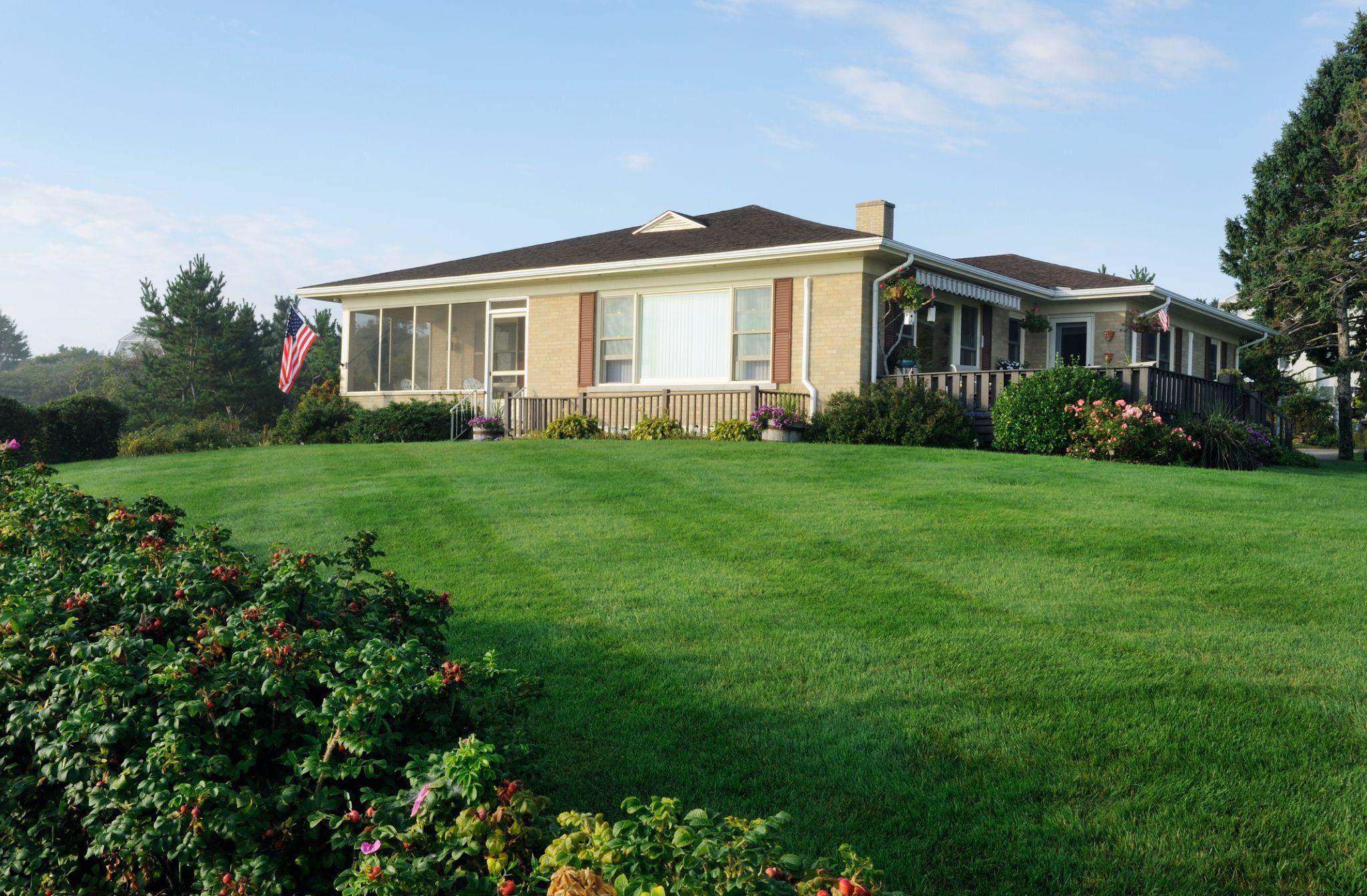
If you live in Plymouth County or along the South Shore, you’ve likely seen it before—your lawn looks almost exactly the same this October as it did last year. The same thin areas. The same weeds. The same patchy sections that never quite fill in.
You’ve probably tried a DIY lawn care program of your own—followed the advice, seeded, watered, adjusted your mowing. Things may even improve for a while. But then the cycle repeats, and many homeowners start wondering whether it’s time to hire lawn care help instead of running through the same routine every season.
That’s frustrating. And it’s also very common in southeastern Massachusetts, where soil conditions and seasonal timing make lawn care more complex than it appears.
This guide walks through the signs that your lawn may need a different approach, and helps you decide whether to keep refining your DIY strategy or consider professional lawn care in Plymouth, MA.
Sign 1 — You Have The Same Bare Patches Every Year On The South Shore
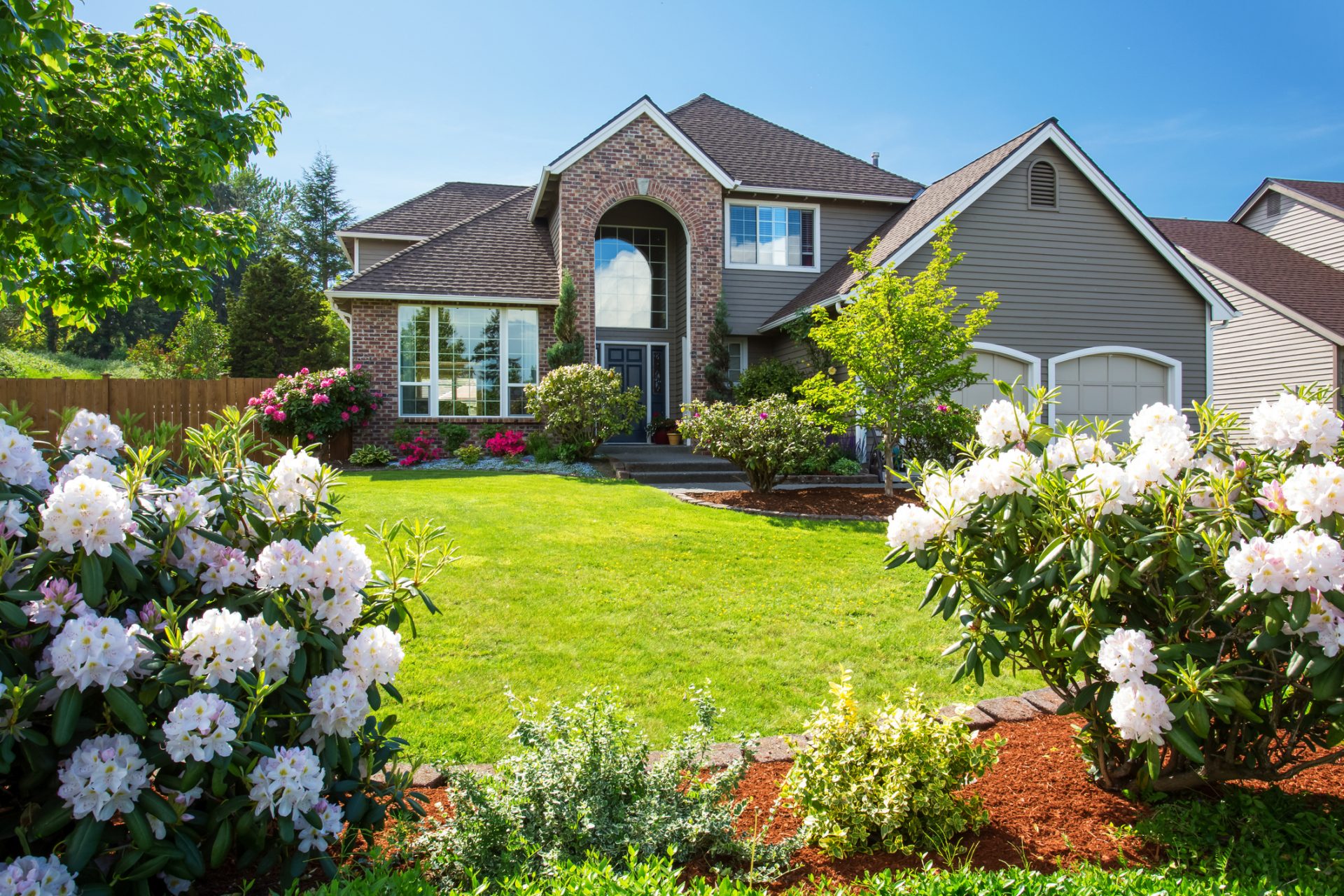
This is one of the most common issues homeowners notice across Plymouth County. You reseed, it grows, and then it disappears again—and no one explains why.
Bare patches are rarely caused by just one issue. Instead, they often come from a mix of:
- Compacted soil
- Thick thatch layers
- Poor drainage
- Incorrect grass type for sun and soil conditions
A typical DIY lawn care program focuses on overseeding, which is a reasonable instinct. But if the soil underneath hasn’t been corrected, the new grass struggles to establish, and you end up in the same loop: seed the area, see short-term growth, watch it thin out, repeat next season.
Breaking that cycle usually takes a different order of operations—soil testing to understand what’s actually missing, core aeration to relieve compaction, grass seed selected for the specific conditions on your property, and timing that matches the Massachusetts growing calendar rather than generic guides that don’t work in our climate.
If the same patches keep showing up year after year, the issue is almost certainly below the surface. Until those underlying conditions are addressed, new seed will struggle to establish, and the same problem areas will continue to reappear season after season.
Sign 2 — Your Lawn Looks Good In Spring But Struggles By July
This pattern is especially common in coastal areas of southeastern Massachusetts.
Your lawn greens up in April and May. It looks full and healthy. Then summer hits—and it starts thinning, browning, or fading.
The usual culprits are shallow root systems, sandy soil that drains too quickly, and early-season practices that favor top growth over root development. Frequent light watering and early fertilization can produce grass that looks great in May but can’t handle the stress of July.
Plymouth County soils tend to be sandy. That means water drains fast, and roots need to go deeper to survive.
To adjust your DIY lawn care plan:
- Water less often but more deeply
- Raise your mowing height to protect roots
- Focus on root development in early-season care
A strong lawn in this region isn’t really about spring appearance. It’s about how well your grass handles summer heat, dry conditions, and stress through July and August.
Sign 3 — Weeds Are Taking Over More Each Season
It’s easy to treat weeds as the problem, but they’re usually a signal. When a lawn is thin or stressed, weeds move in because there’s space available.
Common weeds in Plymouth County include:
- Crabgrass in sandy, exposed areas
- Dandelion and clover in thin turf
- Dollar weed in damp zones
A stronger approach focuses on building thicker turf through overseeding, improving soil structure, getting fertilization timing right, and reducing compaction—because a healthy lawn naturally crowds weeds out by leaving no room for them to establish.
If you want a deeper breakdown of how a full-season approach works, visit our blog on a Plymouth County Lawn Care Program Guide to see how each step fits together across the year.
Sign 4 — You’ve Missed Key Lawn Care Timing Windows

Timing matters more than most people expect. In Massachusetts, fall is the most important season for lawn care programs, and September in particular is critical for aeration, overseeding, and fertilization. Miss that window, and the effects compound: one missed fall leads to thinner grass, thinner grass invites more weeds, and more weeds make next year’s recovery harder than this year’s would have been.
The challenge for most homeowners isn’t knowing what to do. It’s doing it at the right time, consistently, year after year. Plans get delayed, then skipped, then pushed to spring—and by the time spring arrives, the window has closed.
If the fall program keeps getting pushed back, a professional lawn care service can take it off your calendar entirely. Find out what a South Shore lawn care program includes.
If you are DIYing your lawn care and want a clearer timeline to follow, check our Massachusetts Lawn Care Calendar blog to see exactly when each step should happen throughout the year.
If you’ve missed key windows for two seasons in a row, the lawn may need a reset plan to catch up. This often includes rebuilding turf density, correcting soil conditions, and reestablishing a consistent seasonal schedule moving forward.
Sign 5 — Your Lawn Has Drainage Or Compaction Issues
Some problems go beyond routine care. Standing water after rain, soft or spongy areas, and hard, compacted soil underfoot all point to structural issues rather than maintenance ones.
Compaction can often be improved with aeration. But drainage problems may need:
- Grading adjustments
- French drains
- Dry creek solutions
These are not typical parts of a lawn care program.
This is where a consultative approach earns its keep. Instead of guessing whether the issue is maintenance-related, soil-related, or structural, you get a clear diagnosis up front. That saves months of trial and error spent on the wrong solution, and it means your effort actually moves the lawn forward instead of running in place.
Sign 6 — You’re Putting In The Time But Not Seeing Results
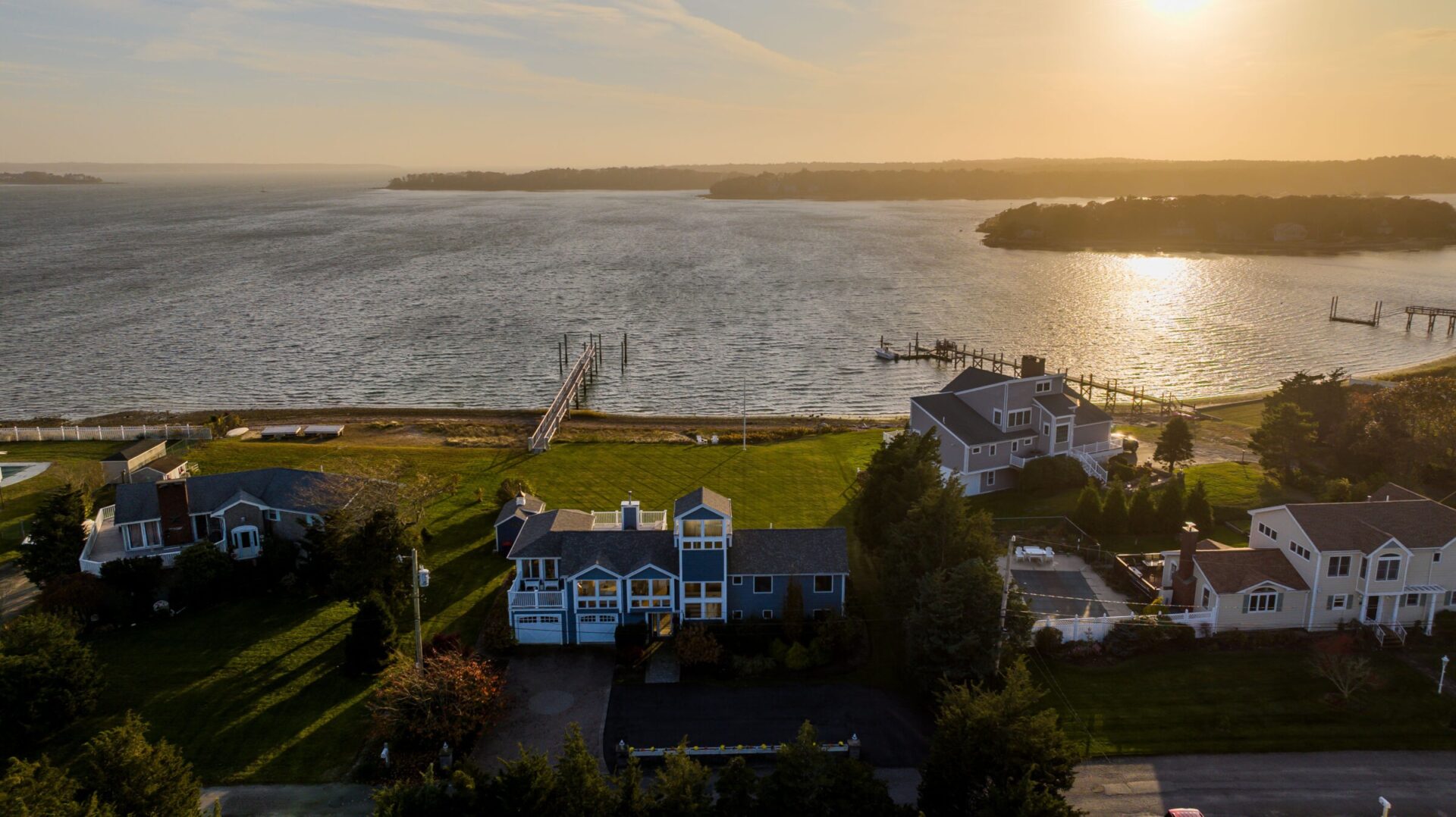
Many homeowners are doing the right things—mowing regularly, fertilizing, overseeding—and after two full seasons the lawn still looks the same. That’s discouraging, and it’s also one of the most telling signs that the issue isn’t effort.
When the fundamentals are being handled and the lawn still isn’t improving, the problem is usually deeper: soil quality, drainage, or compaction that surface-level care can’t reach. A DIY lawn care program works best when conditions are straightforward. Once they aren’t, a professional assessment can usually identify the underlying issue in a single site visit.
This doesn’t mean you’ve done anything wrong. It means the lawn needs a different strategy—often a small shift in approach, like improving soil conditions or adjusting timing, that lets your existing effort finally start working with the lawn instead of against it.
Sign 7 — Your Landscape Looks Great But The Lawn Doesn’t Match
Many Plymouth County homeowners invest significantly in their planting beds, outdoor living spaces, and fine gardening programs—and then the lawn doesn’t keep up. The contrast is noticeable. Even a well-designed landscape feels incomplete when the lawn in front of it is thin or uneven.
If you already have a planting or bed care plan in place, our Fine Gardening Program shows how detailed property care connects with a consistent lawn approach. The advantage of working with a team that handles the full property is consistency, where your lawn becomes part of the overall standard.
So — Is DIY Lawn Care Worth It?
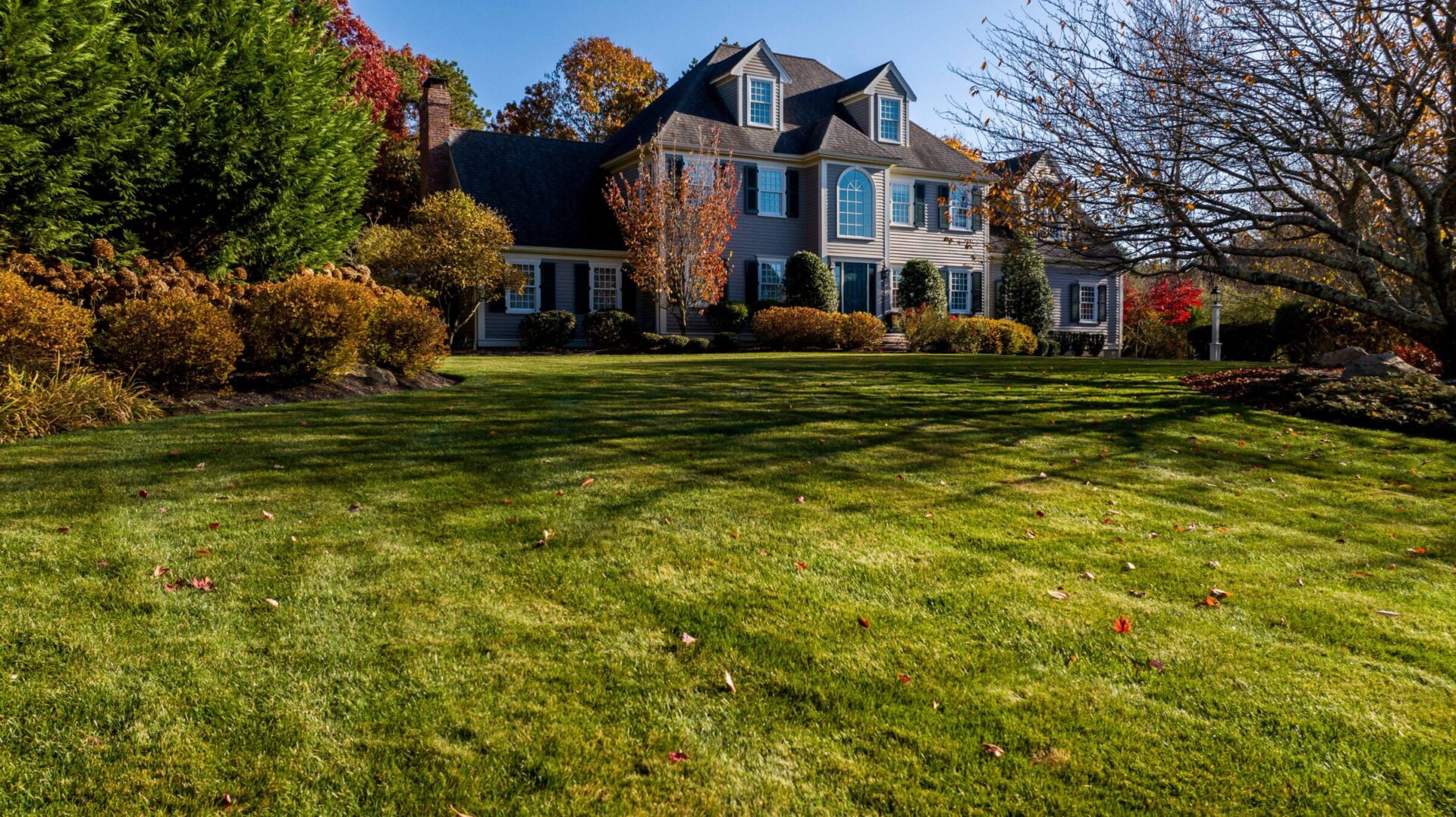
Honestly, yes—if it fits your schedule. A DIY lawn care program can be manageable if your lawn is under 5,000 square feet, you enjoy the work, conditions on your property are straightforward, and you can stay consistent with timing year after year.
But it is a lot work. If you aren’t naturally interested in it, those weekend spent putting the work in won’t feel rewarding. It’s also physically demanding. Professional care can be a great option for folks who aren’t physically able to complete the work themselves.
Professional lawn care is a great fit for Plymouth, MA homeowners with larger properties who have limited time. Professional care can also help diagnose consistent problems that you aren’t able to find the root cause of.
There’s also a middle option worth considering: hire professionals for certain tasks, such as spring and fall cleanups, then take care of the parts you enjoy. That sets your lawn up for success while allowing you to play an active part in shaping your outdoors.
Frequently Asked Questions About Professional Lawn Care In Plymouth County
If you’re considering your options for lawn care in Plymouth County, you likely have a few practical questions before making a decision. Whether you’re refining your own DIY yard strategy or exploring professional support, these answers are designed to give you clear, straightforward guidance so you can choose the approach that fits your property, schedule, and long-term goals.
How Much Does A Professional Lawn Care Program Cost In Plymouth County?
Pricing varies based on lawn size, condition, and program scope. For accurate details, it’s best to request a property-specific evaluation.
What Is The Difference Between Lawn Maintenance And A Lawn Care Program?
Maintenance focuses on mowing and basic upkeep. A lawn care program addresses soil health, fertilization, aeration, and long-term improvement.
Does Landscapes by D&J Offer Organic Lawn Care In Massachusetts?
Yes, we provide organic lawn care options in Massachusetts for homeowners who prefer a natural approach to soil and turf health.
How Long Does It Take To See Results From A Professional Program?
Most lawns show improvement within one growing season, with stronger results over 12–24 months depending on starting conditions.
Can Landscapes by D&J Take Over A Lawn Mid-Season?
Yes, a lawn care program can begin mid-season. However, fall is often the most effective time to make major improvements.
What Areas Does Landscapes by D&J Serve For Residential Lawn Care?
Loandscapes by D&J provides professional lawn care services across Southeastern Massachusetts, including Plymouth, Wareham, Pocasset, Dartmouth, Duxbury, Hingham, Marion, Kingston, and Cape Cod.
Is Professional Lawn Care Worth It For A Small Property?
For smaller lawns, a well-run DIY lawn care program can be effective, so long as all the steps are taken year-round as outlined in our lawn and landscape maintenance guide. If you’re pressed for time or are finding it harder to maintain your property yourself, professional care means more time enjoying your property instead of working on it.
What This Means For Your Lawn Moving Forward
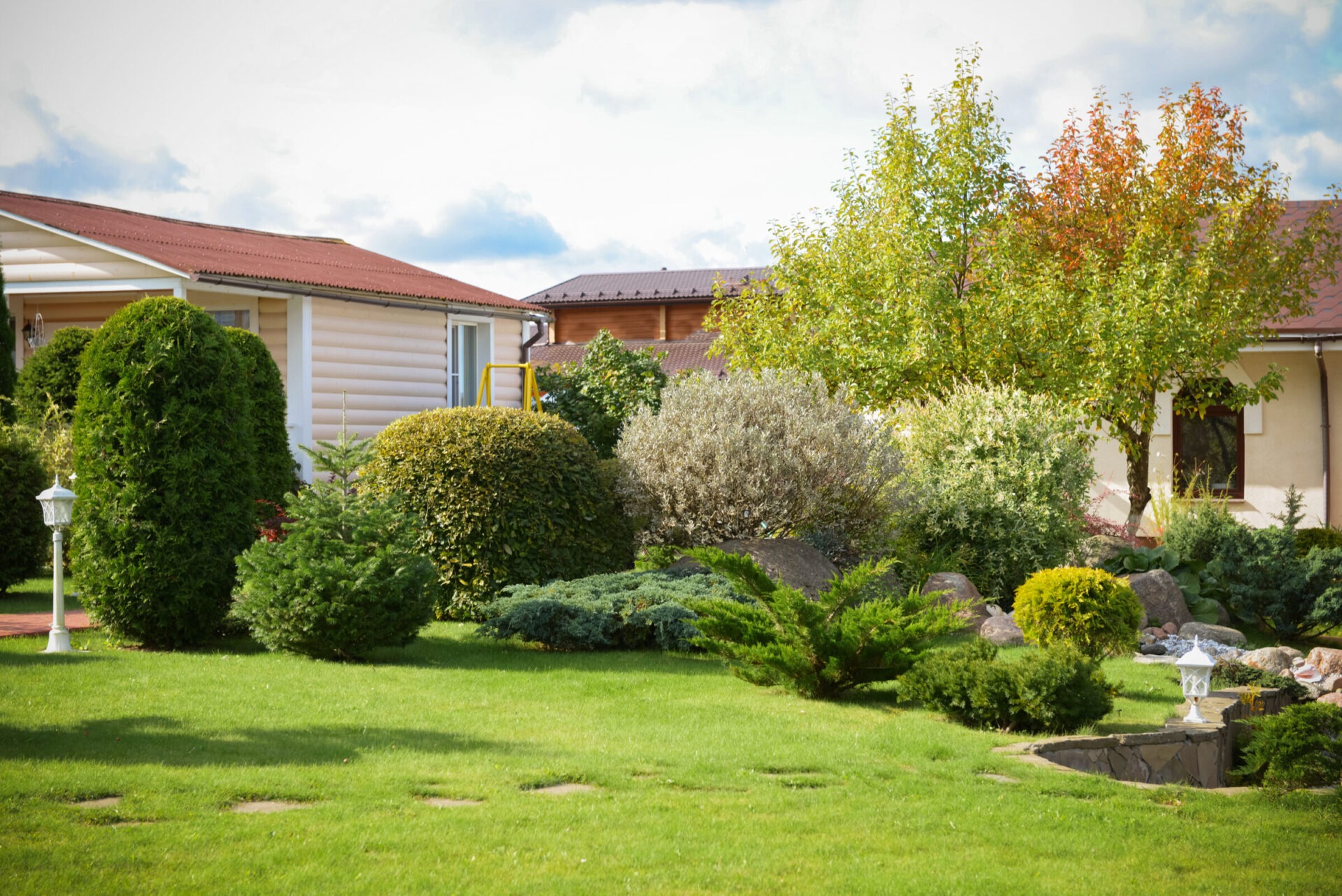
If your lawn keeps repeating the same patterns each year, it isn’t a lack of effort—it’s a sign that the approach needs adjusting. A DIY lawn care program can work well when conditions are simple and timing stays consistent. Once soil, drainage, or seasonal challenges come into play, a more targeted plan usually produces better results.
If you’re ready to get clarity on what your lawn actually needs, the Landscapes by D&J team can help. Take the next step and Request a Quote.
Summary
If you’re searching for the best DIY lawn care program, the most useful thing to understand is why your lawn isn’t improving—and then adjust from there. That means looking beyond surface-level fixes and paying attention to what’s happening in the soil, the root system, and the timing of each seasonal step. A consistent plan, built around the conditions specific to Plymouth County, makes a noticeable difference over time. When your efforts are aligned with how your lawn actually grows, the results become more predictable and much easier to maintain year after year.
Tags: